HERITAGE FOOD PRODUCERS AND PROCESSORS
PORK
We are proud to offer all parts of the pig – from head to tail!
Please take our Heritage Pork Taste Questionnaire and we will issue a 10% discount off your next order.
Dozens of pig varieties are being raised on small family farms across the country. Sadly, they are threatened and hard to find, because they have been pushed out of the marketplace by industrial agriculture.
Heritage Foods knows how important it is to save these breeds, to reward small-scale production, to preserve great taste and to increase diversity in the food supply. We are proud to make these unique varieties available to you. When ordering just select the breed of your choice!
Heritage Foods is thrilled to work with Paradise Locker Meats, a family-owned, USDA-certified arbitoir located in Trimble, Missouri. Mario, Teresa and their sons Louis and Nick Fantasma uphold the beautiful art of butchering.
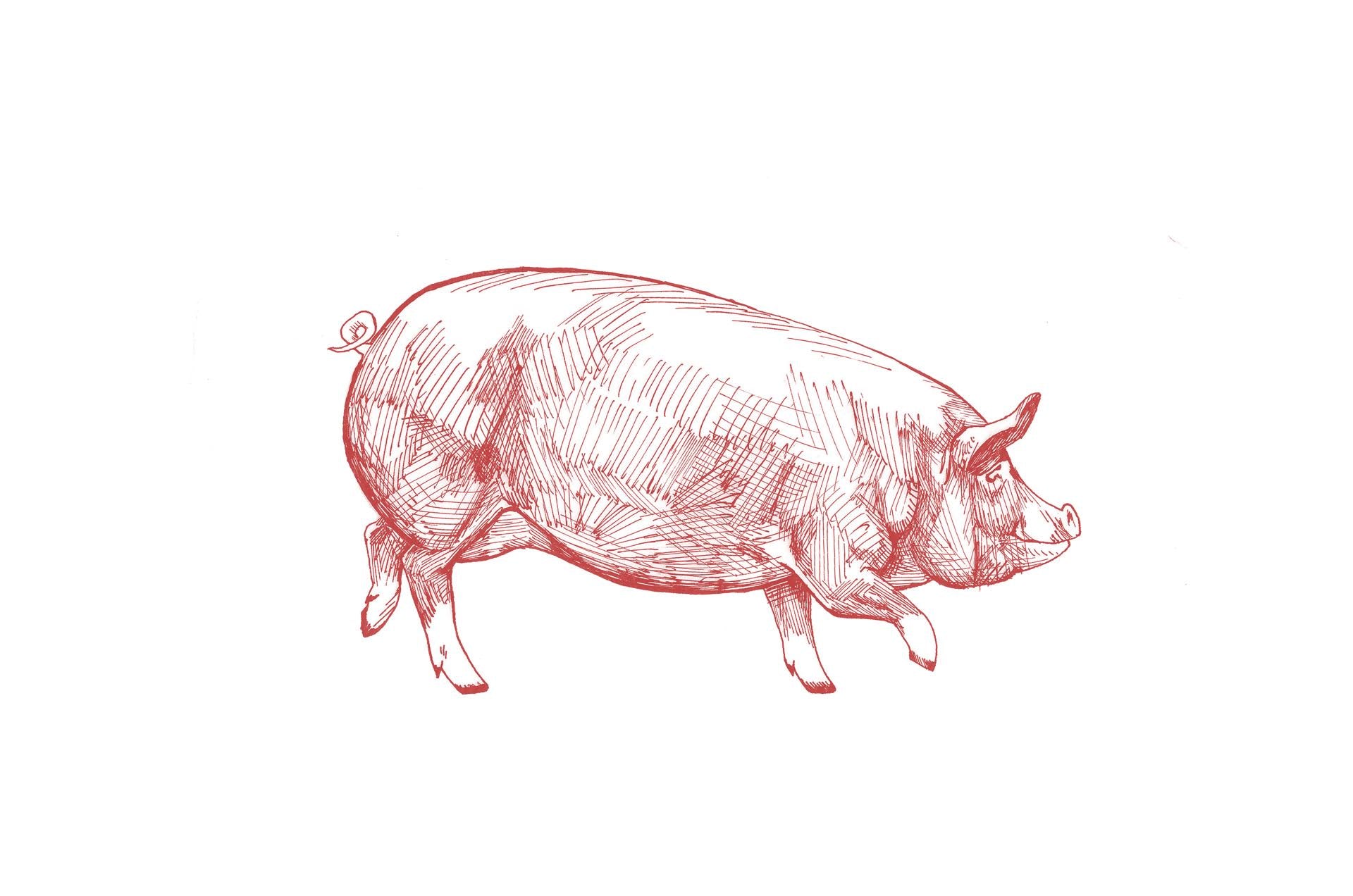
Berkshire Pork
Berkshire meat is elegant, luscious and smooth. The streaks of fat that run through Berkshire meat give it a round and buttery flavor that melts on the tongue. The firm and substantial texture of Berkshire meat was so cherished by the British monarchy that they exported the breed all over the world, including Japan where it is called Korobuta.
Our Certified Humane Berkshires are raised by a group of small family farmers in Iowa, Kansas and Missouri. We know our Berkshires are purebred because they all have six white spots, one each on the tip of their feet and one each on the nose and tail. Unlike factory farm pigs, which have been bred to grow quickly in indoor environments, Berkshires have bred for maximum taste. Berkshire meat is so good it can be prepared with almost no additional ingredients save salt and pepper.
Duroc Pork
Duroc meat is clean and crisp. Its taste and texture are polished and easy on the palate. Duroc pork is a standard, not too fatty, not too lean, not too strong but certainly more flavorful than its factory farmed cousins. For decades the Good family of Olsburg, Kansas have bred to improve the taste characteristics of their Durocs.
Duroc pigs were used as the foundational genetics of the pig industry beginning in the 20th century. Large litters and the ability to gain weight quickly were Duroc characteristics from the start. In 1812, early "Red Hogs" were bred in New York and New Jersey and these would be the ancestors of Duroc pork today. As our Duroc farmer Craig Good attests: Duroc pigs Do Rock!
Red Wattle Pork
Red Wattle meat is charmingly inconsistent and can be earthy, vegetal and herbaceous. Its expressive porky flavor is concentrated, edgy and even racy.
The Red Wattle pig populated the backyards of New Orleans during the 18th and 19th centuries where it was bred to stand up to the strong and flavorful Creole cuisine. These gentle Red hogs are noted foragers and when allowed to roam their meat develops traces of the forage of their locale.
Originally the Red Wattle hails from New Caledonia in the South Pacific, and is one of the few pigs raised in the United States not from Western Europe. The Red Wattle is the only pig left in the world that still has a wattle hanging from its jowl. The Red Wattle is considered critically endangered with an estimated global population less than 2,000. Buying and eating our Red Wattle pork is a key to preserving diversity in the livestock supply and supporting Animal Welfare Approved family farms like Lazy Ranch in Glasco, Kansas.
Tamworth Pork
Tamworth meat is robust and gutsy and is the leanest of the pork breeds that we sell making it an excellent source of bacon and jowl. It has a balanced flavor that is the pork equivalent of a red beer. Tamworth has an almost elastic texture but remains accessible.
A safe food supply is a diverse food supply so the Tamworth’s presence on the Threatened list means that demand is needed to preserve this delicious breed. The Tamworth is a hearty and strong animal making it an excellent candidate for a growing urban farm movement around the United States.
*Occasionally our weekly emails feature other varieties such as the Gloucestershire Old Spot, Large Black and the Mulefoot.
Fisher Farm
Charles Fisher raises purebred Six-Spotted Berkshires on his 16-acre farm in Delaware, Iowa. The Fisher family has occupied the same land since 1976 and has been raising cattle and pigs since many years before then. Charles is dedicated to swine first and foremost and will begin raising Red Wattle pigs on his farm within the next year in addition to the pasture and hay he works to upkeep. The farm is biodynamic as the manure is used to help nourish the pasture. Charlie heats his home on the farm exclusively with wood using a converted 1916 furnace that he plumed in himself. He considers himself to leave a lesser carbon footprint than that of the average man. Charlie also enjoys playing the harmonica and fiddle.
Good Farm
"My family has been involved with agriculture for many generations.
We
have had this farm in Olsburg since 1964. We are a diversified farm,
raising purebred hogs, purebred Angus cattle and various crops.
I have
worked with pigs and cattle since my 4-H projects in the mid 1960's.
Following graduation from Kansas State University in 1975 I worked
for
another purebred swine breeder for 5 years. Amy (my wife) and I
decided to
move back to the farm in Olsburg in 1981.
The bloodlines of our Duroc pigs go back to a few select sows from
the
breeder I worked for. He had raised Purebred Durocs since the 1940's.
We
are small in comparison to most pork producers. We have 65 purebred
Duroc
and Yorkshire sows. Of the 65 sows, 30 of them are Durocs. The Yorkshires
are noted for their Maternal traits and the Duroc are noted for
their good
growth rate and excellent carcass traits. They are also noted for
their
muscle quality and good eating quality. We have been performance
testing
since our start and only select the best of the best to be breeders
in our
herd. We are now placing extra emphasis on selecting Duroc pigs
that have superior muscle quality. In our effort to do so, we are
bringing in some
old lines from the 80's. We will evaluate what they can offer to
our herd.
We feel that they may even further advance our effort to produce
great
tasting pork. We primarily sell to other small to medium sized producers.
The producers purchase pigs from us because they trust the good
health
level of our herd, and the attention to detail and quality that
we are
able to employ in our small herd.
In recent years, with the evolution of large, mega swine farms,
Good Farms
has resisted the trend to grow large. We choose not to follow that
trend
because we feel that true quality is achieved by working with detail
and
care in breeding our hogs, not just cranking numbers and pounds
off of the
farm. Because of the trend of larger and larger swine operations,
remaining our size is difficult because, as with many businesses
we are in an era of low margin and high volume.
We are proud of our place in the farm economy and hope that we
can
continue to serve the producers that have been true to us over the
years.
We feel that the family farm has been a true asset to America and
we
strive to work together with our fellow producers to remain a viable
part
of the future. We have a strong commitment to produce pigs that
are of the
highest quality possible. The pigs that we are raising are not fed
any
antibiotics. All pigs are registered and all ancestry is tracked
in
making our breeding decisions."
Holthaus Farm
David Holthaus is an avid and experienced community farmer who has been raising pigs and cattle on his 500 acres in Decorah, Iowa since 1974. He currently backgrounds Holstein cattle for the many farms that make up the dairy country in Northeast Iowa in addition to the 700 Berkshire pigs he has on pasture and feed at any given time.
Lazy S. Farm
Larry and Madonna Sorell have been farmers since 1970 when they purchased
200 acres of land in Cloud County, Kansas. Larry Sorell continues a family
tradition that was passed down from his grandfather to his father and then
to him. Today, the farm is a bit smaller but they still maintain true
biodiversity on the farm, raising numerous heritage breeds including
turkeys, some chickens, Katahdin and Jacob lamb and several pig varieties.
The Sorells raise the best Red Wattle pig in the country. This hog breed is
the rarest of all American pork breeds. Red Wattle meat tends to be a
little darker than most other pork and is very tender. The variety makes
wonderful hams and has a juicy and flavorful taste even though the meat is
lean. This pig, which gets its name from its red color and the wattle that
hangs under the chin, originated in New Caledonia, came to New Orleans in
the 18th century and was developed in the forests of Texas. With increased
demand and the hard work of the Sorells, the Red Wattle will find its niche
in the 21st century, even if it does not conform to the unnatural needs of
industrial agriculture.
The Mulefoot hog, which the Sorells raise, is also extremely rare, with
fewer than 150 purebred breeding hogs in existence today. The breed is named
for its unique foot, which is non-cloved and resembles that of a mule. It
is most probable that this hog descended from the Spanish hogs that were
brought to the Americas in the 1500s. The Mulefoot is recognized for its
ease of fattening, as well as for its quality meat, lard, and delicious
hams. These hogs have a compact appearance and weigh between 400 and 600
pounds. Most Mulefoots have a solid black coat dotted with occasional white
spots.
Larry and Madonna also have Large Black hogs on their farm. This breed
descends from crosses between European and Chinese breeds of pigs that were
brought to England in the late 1800s. Post 1900, the Large Black pig became
pretty well-known throughout Great Britain, but it never proliferated much
in North America. Its appearance is definitively black. In addition, it
has a recognizable long head and lopped ears. Though the Large Black is a
docile pig by nature, it boasts a hearty meat with a wonderful amount of
rich buttery fat, making for great sausages and bacon. It also has light
shoulders and good sides and hams.
In addition to their pigs, the Sorells take great pride in raising heritage
turkeys such as the Bourbon Red and American Bronze and a half dozen
varieties of heritage chickens including their personal favorite, the
Minorcas. Today the Sorrels have about 400 turkeys on their farm. Next year
he would like to expand to 1000 hens.
Metzger Farm
Doug Metzger works his 1500-acre farm, which grows corn, sorghum,
wheat, alfalfa, oats, barley, Reese turkeys (he has worked with
turkeys since 1951) and pigs with wife Betty, son Mark, daughter
Marilyn, son in law Stan and their three kids. Farming has become
more challenging for Doug in recent years as he struggles to remain
independent in an era of commercialization. "The chicken industry
and the turkey industry went the way of industry," Doug explains,
" and I'm working hard so that the same doesn't happen to the
pork industry". Doug has raised purebred, certified Berkshire
pigs since 1954 and learned the art from his grandfather Fred, father
Wilhelm and father-in-law Japhet. These elder statesmen also taught
Doug how to raise the now endangered Tamworth pig (as of 1961) and
the Hampshire pig.
Fred Metzger was born 1885 in Lamar, Missouri to a family who had
recently moved to the United States from Germany. Fred moved to
Hancock, Minnesota when he was 10 and then to Larchwood, Iowa around
1900. Fred lived to be 104 and according to one source, had more
living descendents than anyone alive in the United States with 368.
Fred's son Wilhelm was born in 1911 and moved to Kansas in 1933
after he met and married the beautiful Julia Meyer. Julia's father
Japhet Meyer owned the farm where the Metzgers live to this day.
Doug currently has about 700 certified Berkshire pigs and 70 Tamworth
pigs but hopes to double that number through Heritage Foods USA.
For the past three years Doug has sold his Berkshires to the Japanese
market. But Doug hopes that rising interest in Berkshire pigs will
help him lay the foundation for a domestic market and allow him
to expand production to include other local Kansas farmers. Making
enough money to get by is the hardest aspect of farming for Doug
and is the greatest obstacle to allowing his grandchildren to continue
the work of four generation of Metzgers. But with growing support
from consumers and restaurants, there is hope.
The taste of these breeds is exceptional. Florence Fabricant of
The New York Times writes that Berkshire meat: "is darker,
more heavily marbled with fat, juicier and richer-tasting than most
pork, and perfect for grilling. Berkshires, which are black, originated
in England. Some were given more than 100 years ago to the emperor
of Japan, where they are called kurobuta."
Newman Farm
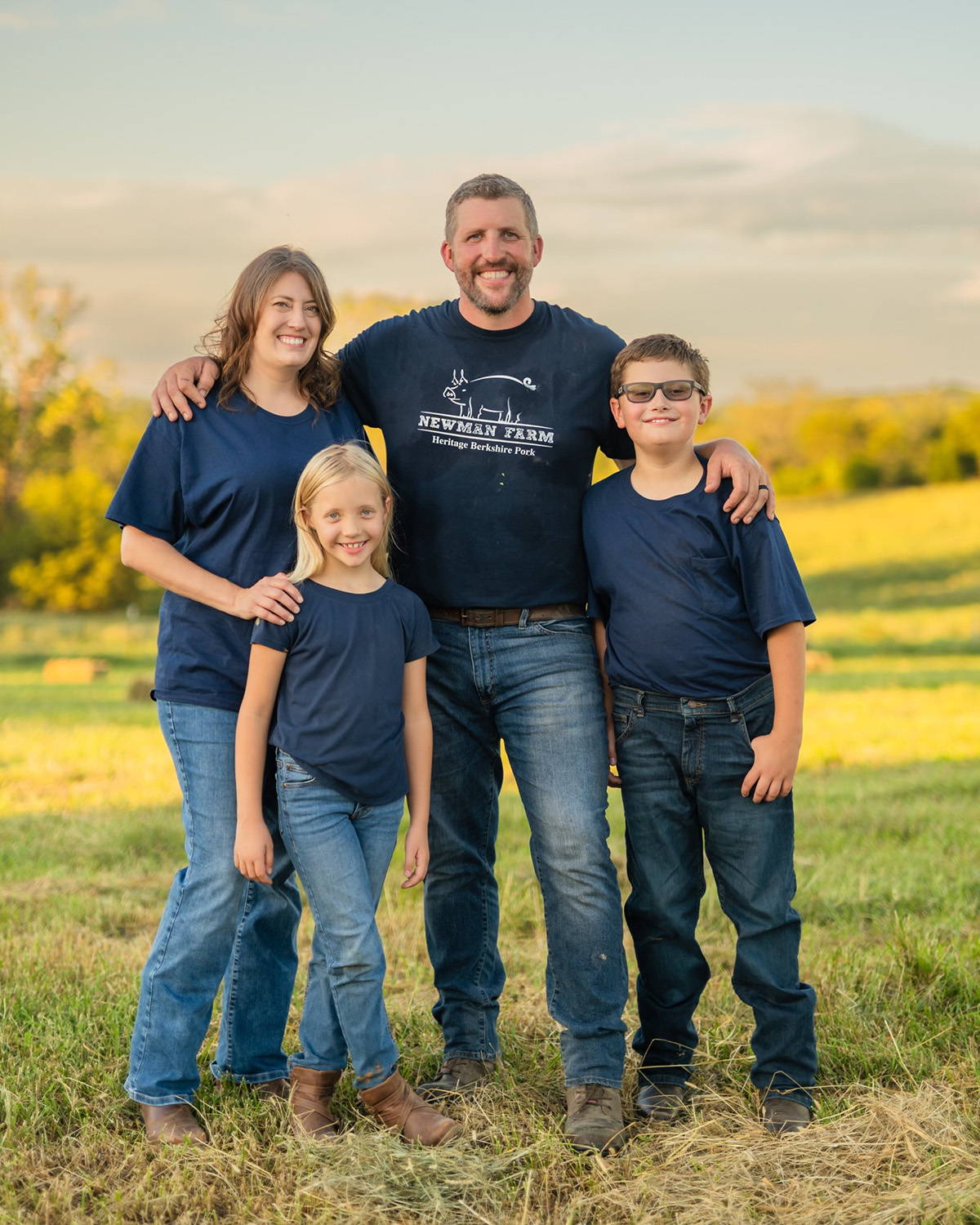
Newman Farm, located in the Ozarks of southern Missouri, is owned and managed by Mark and Rita Newman. Their farm is one of the few pork farms left in southern Missouri. Both Mark and Rita have been involved with farming since they were children. Mark began farming in high school, as a member of the Future Farmers of America program. Mark, Rita and their grown children Chris, Susan, Courtney and David, believe strongly in the values of family farming.
The Newman’s have been involved in outdoor pork production since 1968. They began raising high quality 100% purebred Berkshire pigs on pasture in the mid 1990s, the only of its kind in the US. Today they have a thousand pigs which roam freely on this sprawling farm, and new piglets are born every day. They have plenty of fresh air, sunshine, and water, which also contribute to the rich pork color and excellent marbling.
The pigs receive only the highest quality feed rations or corn- soybean meal along with vitamins and mineral supplements. The pigs are completely free of growth promotants, animal protein by-products, or sub-therapeutic antibiotics. Through selective breeding, meat quality testing, and topnotch production standards the Newman family has been able to produce the highest quality pork product, which imparts a sweet, tender, juicy, and simply different flavor than any other pork. At Newman Farm they take pork production seriously and believe that quality pork begins at the farm and ends with satisfied consumers.
Each week Mark Newman drives 8 hours each way to transport his Berkshires to the processing house in Trimble, Missouri. All animals are handled and transported according to Humane Farm Animal Care Standards. Mark comments, “A lot of people wouldn’t do it,” but he and Rita understand the value of small family farms. Mark continues his work because he derives personal satisfaction from it. Seeing the end result is a unique and wonderful thing for him. In Mark’s own words: “You gotta have it in your heart or you’re never gonna make it.”
Thanks to a partnership that began in 2005, Newman Berkshire pork is sold exclusively through Heritage Foods USA.

“Newman Heritage Pork Farm is guaranteed as Certified Humane.”
For more information, please visit: http://www.certifiedhumane.com.
Snowdance Farm
Snowdance Farm, located near Livingston Manor, New York, is the passion of Susan and Marc Jaffe. Two former New York City executives turned farmers, the Jaffes gave up hectic lives in midtown Manhattan in 2000 for the beauty and peace of the Manor, where they are also raising daughter Taylor, 8, and son Teddy, 5.
The Jaffes have turned their 80 acres into a thriving chicken and beef farm. They raise pastured poultry that are absolutely free of hormones, additives or antibiotics. Their birds feed on grass and seasonal berries—blueberries, blackberries and June berries.
back to top
TURKEY
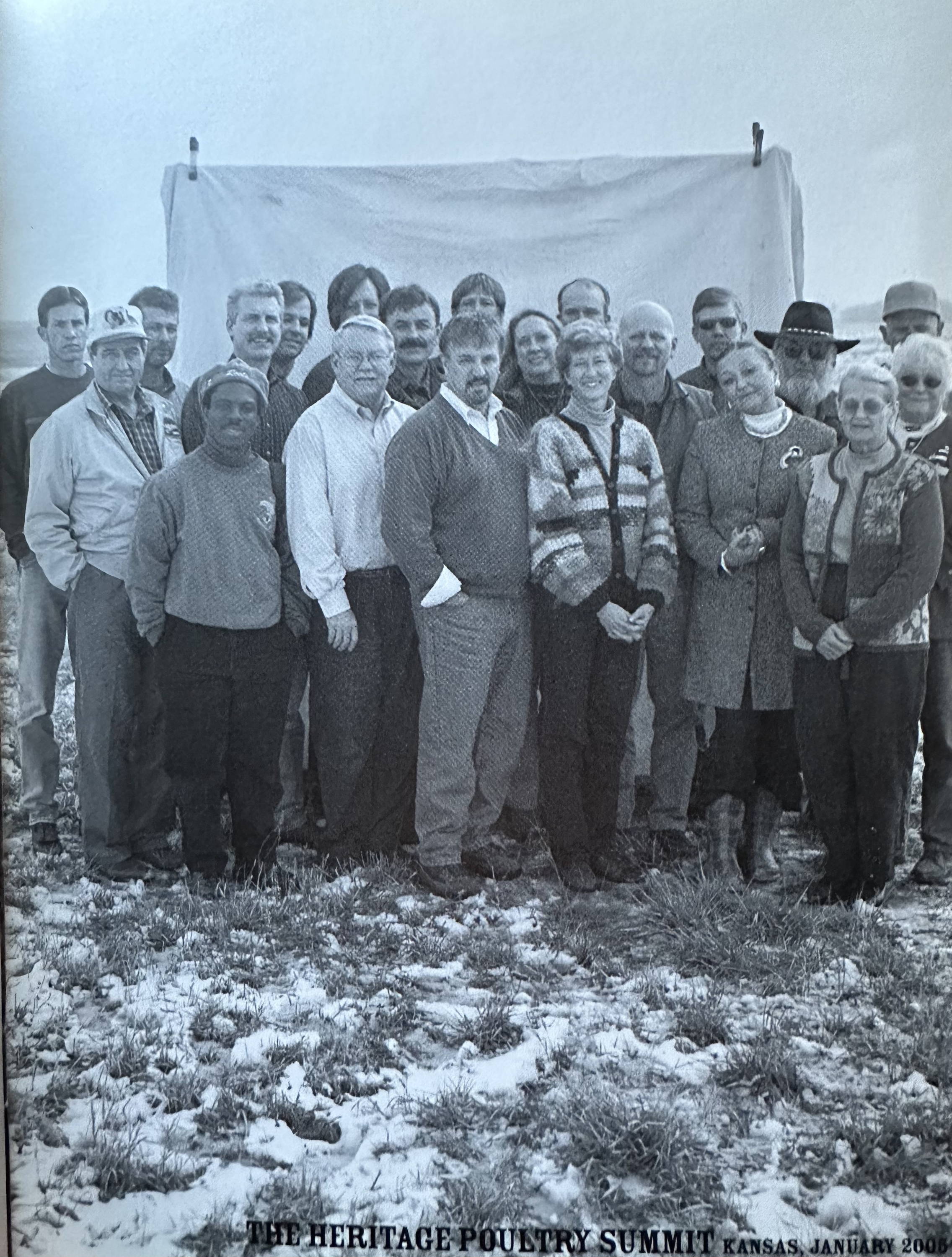
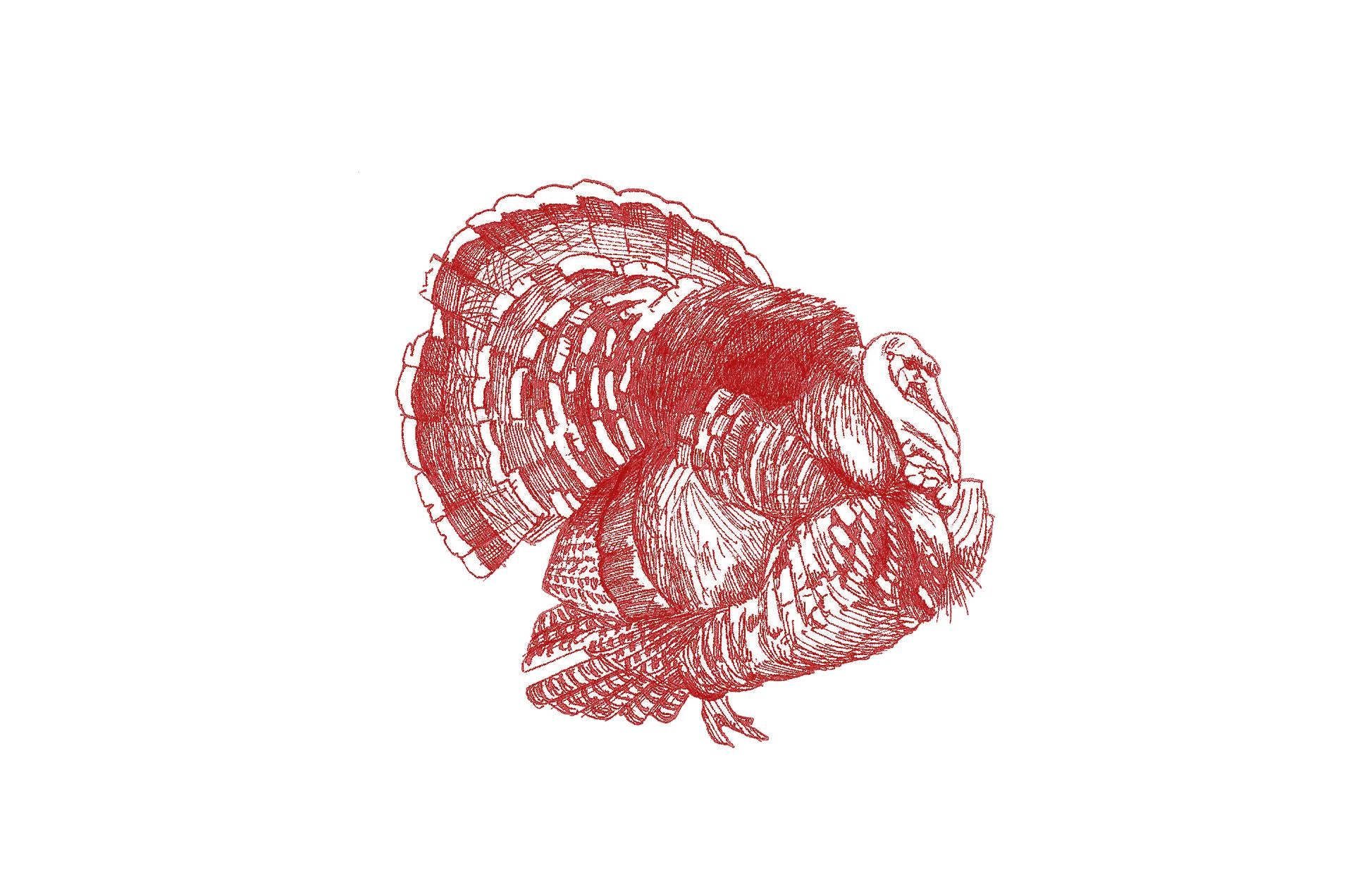
Since 2002 a partnership between Heritage Foods USA and Good Shepherd Turkey Ranch has led to one of the greatest conservation success stories of this decade and a future for the most delicious tasting turkey in America.
By buying a Good Shepherd Turkey Ranch Heritage Turkey you are supporting a network of independent growers, preserving endangered lines of turkey breeds that you must eat in order to save, and ensuring humane animal treatment: our turkey farms are the first to receive Animal Welfare Institute’s Animal Welfare Approved certification.
Good Shepherd Ranch
Frank Reese
Frank Reese is considered the God Father of American poultry. His farm is called Good Shepherd Turkey Ranch. Frank has been "hanging out" with turkeys as long as he can remember. He is a fourth generation poultry farmer from Lindsborg, Kansas who now farms with his business partner Brian Anselmo. Frank joined 4-H at an early age and began keeping his own turkeys at about age five, winning his first Kansas State Turkey Championship in 1955 and his first National Turkey Championship in 1974.
For nearly all his life, Frank has maintained a keen interest in American Heritage Turkeys, with an avowed objective of preventing their extinction. Frank is a founding member of the All-American Turkey Growers' Association and a lifetime member of the National Poultry Association. He is also the only licensed turkey judge for the American Poultry Association. His operation has been certified by the National Poultry Improvement Program since 1974. His turkey farm is the first turkey farm to be certified by the prestigious Animal Welfare Institute (AWI). Robert F. Kennedy Jr. says AWI is “The gold standard for how farm animals should be taken care of.”
The New York Times’ Kim Severson writes of Frank: “Only someone with a trained eye can pick the best toms and hens to breed and Mr. Reese is considered the best of the few people in the country who can do it. He is also the only one with a flock whose genetic line can be traced back to the late 1800s.”
In that same November 7th, 2007 article Severson writes:
“Although these breeds make up far less than one percent of the 265 million turkeys produced in America last year, many chefs consider them the best thing to eat on Thanksgiving. Turkeys like Mr. Reese’s take much longer to grow than mass-produced ones. Thus, they develop more fat and a robust flavor.”
Frank has brought together a group of neighboring farmers to help him raise his birds including Danny Williamson of Windmill Ranch, Doug Metzger of Metzger Farm and Ron Tommy, whose farm is located just outside Wichita, Kansas. Each spring Frank sells his cherished poults to the members of his network under the condition that they sell the grown turkeys back to him just before Thanksgiving. In this way, Frank has been able to significantly increase population counts of Heritage Turkeys. The Bourbon Red turkey, for instance, was upgraded from "rare" to "watch" status by the American Livestock Breeds Conservancy.
A heritage turkey is defined as:
- A true heritage turkey is reproduced and genetically maintained through self-breeding;
- A true heritage turkey has a long productive lifespan. Breeding hens are commonly productive for 8-9 years and breeding toms for 3-5 years;
- -A true heritage turkey has a slower rate of growth. Today's heritage turkeys reach a marketable weight in 26-28 weeks.
Frank has benefited from the mentorship of some of the leading American Heritage Turkey producers he met over the years at turkey shows and meetings. He counts among his most treasured teachers the late Norman Kardosh, as well as Sadie Lloyd, Agnes Trow, Bill Cawley and Hy Patton. For years, Frank pursued his hobby and "labor of love" with financing from his job: he is a licensed nurse anesthetist practicing in the Lindsborg and Salina area of Kansas State.
In addition to turkeys, Good Shepherd also owns some of the rarest genetics in the waterfowl segment of the poultry industry. For example, its American Buff and Toulouse geese are bred to produce the highest quality meat in the world.
Windmill Ranch
Danny Williamson
Danny Williamson owns Windmill Ranch and deals with all business related to Good Shepherd Turkey Ranch. Danny built his home, which looks more like a log cabin set in the middle of the woods of Wisconsin, from scratch with his own two hands three years ago. He and his friend Dave were looking for a place to build a home near the quarter mile section of land Dave owned in Tampa, Kansas and they found it in the form of an abandoned farm. The first thing they did with their newly purchased 18 acres was build a chicken and turkey coop. Then they proceeded to populate these structures with Black and Bourbon Red turkeys, numerous types of heritage chickens including Dark Brahmas and ducks including White Calls. His Black turkeys, which he had been raising for eight years, were sourced from Rita Eichman's farm near Dodge City. Today, Danny keeps about 100 breeders and about 2,200 young poults on his farm.
Danny grew up participating in 4H projects and so had some experience with poultry. And then, in 1998, he met Frank Reese at the state fair and his interest in poultry was rekindled. Danny's love of turkey goes past just raising them. He is also a great chef.
Danny spends his days checking up on his birds, retrieving ones that have flown over the fence, changing the water and cleaning the coops. The biggest challenge on the farm is carrying the feed. Danny is a licensed American Poultry Association Judge and presides over numerous 4H competitions (Danny will visit 15 competitions or more a year). Danny is one of the only people who has a Grand Master Breeder of Black turkey. He also boasts a Grand Master Breeder of the Dark Brahma chicken and White Call duck. To get that honor a breeder has to win many shows and accumulate at least 100 points. Depending on the show, a bird can win between 5-25 points. Only winners get points.
Metzger Farm
Doug Metzger
Doug Metzger works his 1500-acre farm, which grows corn, sorghum, wheat, alfalfa, oats, barley, Reese turkeys (he has worked with turkeys since 1951) and pigs with wife Betty, son Mark, daughter Marilyn, son in law Stan and their three kids. Farming has become more challenging for Doug in recent years as he struggles to remain independent in an era of commercialization. "The chicken industry and the turkey industry went the way of industry," Doug explains, " and I'm working hard so that the same doesn't happen to the pork industry". Doug has raised purebred, certified Berkshire pigs since 1954 and learned the art from his grandfather Fred, father Wilhelm and father-in-law Japhet. These elder statesmen also taught Doug how to raise the now endangered Tamworth pig (as of 1961). Doug has worked with Frank Reese since Frank first started to raise turkeys in larger numbers in 2002.
Fred Metzger was born in 1885 in Lamar, Missouri to a family who had recently moved to the United States from Germany. Fred moved to Hancock, Minnesota when he was 10 and then to Larchwood, Iowa around 1900. Fred lived to be 104 and according to one source, once had more living descendents than anyone alive in the United States with 368. Fred's son Wilhelm was born in 1911 and moved to Kansas in 1933 after he met and married the beautiful Julia Meyer. Julia's father Japhet Meyer owned the farm where the Metzgers live to this day.
Doug currently raises about 5,000 turkeys and has about 700 certified Berkshire pigs and 70 Tamworth pigs but hopes to double that number through Heritage Foods USA. For the past three years Doug has sold his Berkshires to the Japanese market. But Doug hopes that rising interest in Berkshire pigs will help him lay the foundation for a domestic market and allow him to expand production to include other local Kansas farmers. Making enough money to get by is the hardest aspect of farming for Doug and is the greatest obstacle to allowing his grandchildren to continue the work of four generation of Metzgers. But with growing support from consumers and restaurants, there is hope.
Thome Farm
Ron Thome
Ron Thome, whose farm is located just west of Wichita in Goddard, Kansas, is a master at raising Heritage turkeys. His mother Ester Thome raised turkeys on range and was involved with the industry for many decades. Ron's father was a Kansas wheat farmer. Ron is carrying on the tradition of raising turkeys on free range by being a part of the Heritage Turkey project. He can still use the farm's original design from many years before.
back to top
POULTRY
We sell chickens, ducks and geese, year-round and fresh during the holidays!
Dark Cornish Chicken
Our dark cornish chickens are available fresh every few months a year. True Heritage Chicken cannot be found anywhere in the United States other than at a few farmers' markets. Thanks to Good Shepherd, Dark Cornish heritage chickens are available in significant numbers for the first time in 60 years.
The Cornish was admitted to the American Poultry Associations Standards of Perfection in 1893. Because of these pure genetics, lifestyle and longer rearing time (15 weeks rather than 5 weeks in industrial production), the meat is dark and very firm - compared to regular chicken, it is silky and luscious and you need a knife to cut it!
Originally named the "Indian Game," the Cornish is an English breed that came to this country in the 19th century. The true original Cornish birds are movers and need space to exercise and develop their muscles. This variety is very rare at this level of purity.
Heritage Pekin and Aylesbury ducks are available on a seasonal basis.
Frank is the only farmer in America raising a 100% genetically pure, pond-raised, heritage ducks on his farm near Lindsborg, Kansas. The Pekin duck originated from China, where it was revered as a regale bird. Cooks from all over China traveled to the capital city of Beijing for the chance to prepare majestic birds for the Emperor. In the U.S., this duck became endangered in the late 1960’s and early 1970’s when large farmers were pushed out of the industry because they could not meet new strict environmental guidelines. Those truly dedicated to raising them right and keeping them flavorful remain in business.
And the Aylesbury is the favorite duck breed in England! In the 'Book of Household Management,' Mrs Beeton writes in 1861: “The white Aylesbury duck is, and deservedly, a universal favourite. Its snowy plumage and comfortable comportment make it a credit to the poultry-yard, while its broad and deep breast, and its ample back, convey the assurance that your satisfaction will not cease at its death.”
French Dewlap Toulouse Geese – Available next Winter!
When it gets cold in Kansas, that’s a telltale sign that our heritage geese will be ready for the holiday season. Traditionally geese were ready the second week after the first frost.
The French Dewlap Toulouse was introduced by the 13th Earl of Derby in early 19th century in England. The French Dewlap Toulouse is prized for its thick quality and is a valuable addition to our poultry varieties. It is the original foie gras goose. The dewlap means it has more meat in the rear.
The Toulouse is like the truffle of the poultry world, they are hard to find and expensive, but once you taste it, the flavor can never be forgotten.
Wild Rose Farm
Wild Rose Farm and Apiary is located in the scenic, irresistibly beautiful Loess Hills just outside of Glenwood, Iowa. Bob and Dee Mejstrik purchased their farm in 1996 and immediately built a big garden and orchard. In order to get good pollination and increase productivity, they took up beekeeping. Then, in order to create a backyard layer flock, the following year the Mejstriks became ardent poultry farmers and discovered the wonderful world of purebred exhibition poultry. They quickly acquired a hatchery license and began raising exhibition poultry. Today they farm 100% heritage pasture-raised Dark Cornish “Indian Game” and Plymouth Barred Rock chicken varieties.
The pure-bred Dark Cornish birds are finally available to Heritage Foods supporters for the first time in a long while. The tasteless, genetically modified supermarket chicken is officially called a Cornish Rock. The true Dark Cornish on the other hand is a delicious rare variety of chicken. To avoid possible confusion we like to refer to this chicken by its original name: Indian Game. The “game” name was given because the true Dark Cornish is a descendent of an Indonesian breed raised to be a fighting bird. Our Indian Games, which came to the USA via England, are absolutely luscious tasting and are so authentic and pure they have even retained their fighting look.
Frank Reese has held this genetic line since 1974 when he acquired two breeder birds from poultry experts Tommy Reece and Vincent Farro. Frank and the rest of Good Shepherd Ranch have been working closely with the Mejstriks to raise this next generation of Indian Game chickens.
Indian Game meat is darker and firmer with a better texture than the commercial kind. The flavor is not gamey but “heavy,” a term used to describe a deep chicken essence.
The Mejstriks are members of the American Poultry Association and attend several shows each year. Wild Rose Farm is a true family business. Together they make candles, soaps, bath salts and hand-painted crafts as well as fabulous honey and herbal products all of which they sell at local farmers markets and area craft fairs from June through September.
back to top
BEEF
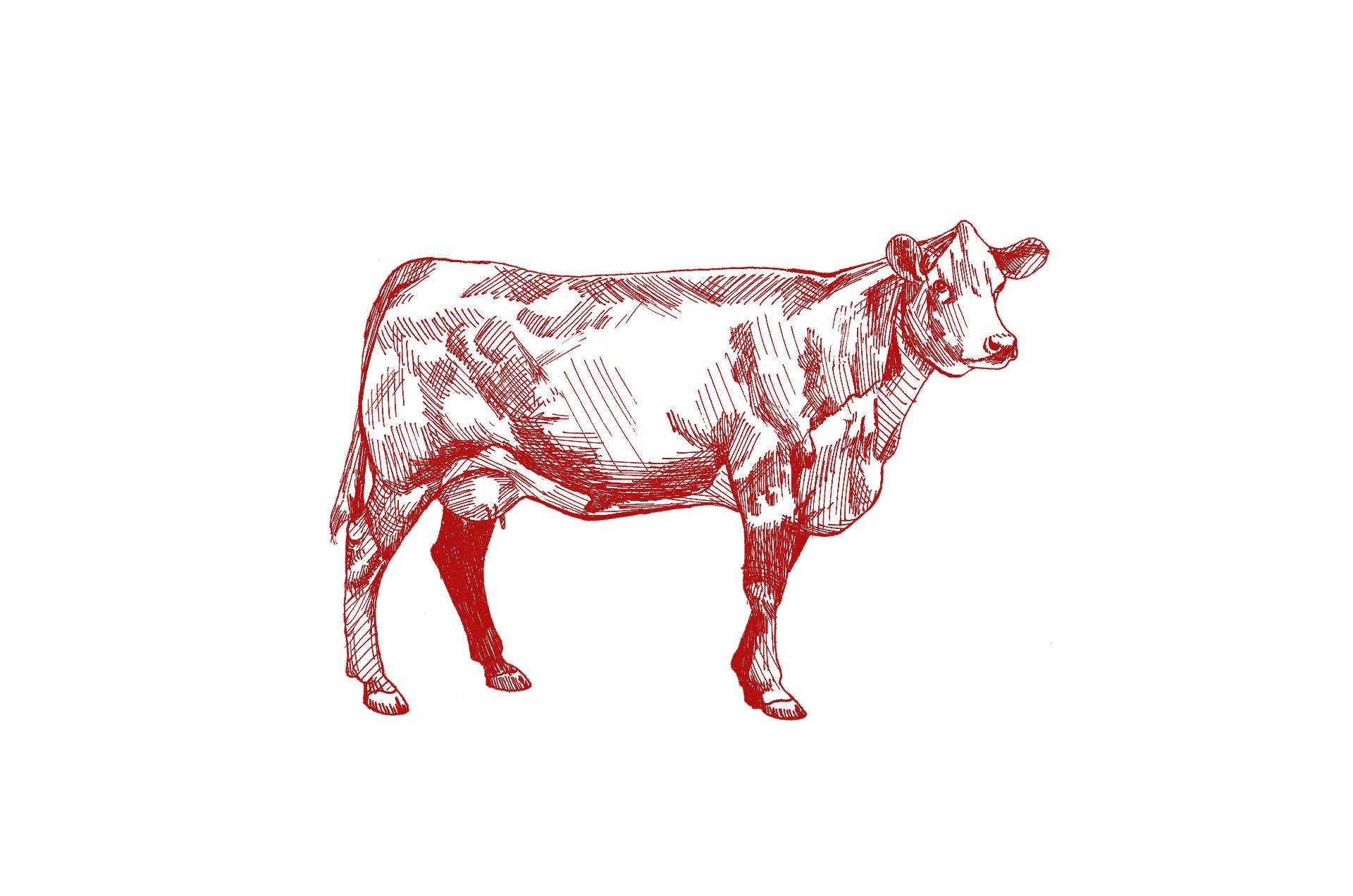
We sell dozens of Steaks and Roasts, Burgers and Sausages.
Try the same cuts from different
breeds and farmers.
Please take our Heritage Beef Taste Questionnaire and we will issue a 10% discount off your next order.
A note on the importance of grassfed beef from Hearst Ranch Manager Brian Kenny
American Kobe
American Kobe is one of the world’s most recognized meats. It would be a disservice to exclude American Kobe beef on a site dedicated to breed-specific foods. Our friends at Paradise Locker Meats, our arbitoir in Missouri, have connected us to American Kobe Beef producers who provide us with select cuts of this delicious, buttery meat.
American Kobe is a descendant of the Wagyu breed originally brought to the U.S. from Japan in 1976. Wagyu is derived from crossing native Asian cattle with British and European breeds and is now known worldwide for its marbling characteristics, and exceptional tenderness and buttery flavor.
Fountain Prairie Highland Cattle
John and Dorothy Priske’s Fountain Prairie Highland Cattle Farm is home to the most beautiful cattle in the world and holds the largest Highland stock in Wisconsin. They graze on 434 acres of grass just outside of Fall River Wisconsin.
John and Dorothy began farming asparagus in 1984 but changed course when they bought a large old house built at the turn of the Twentieth century. The Priskes had a vision to repair, restore and share their newly acquired property with the community. This vision of change was meant not only for the house, but also for the entire prairie land on which the house sat. The Priskes knew that raising cattle would be the perfect solution to maintaining the land, because the cattle would both harvest and fertilize the land. With this notion, John and Dorothy Priske began farming Highland Cattle on the prairie.
The Priskes have brought back dozens of species of native grasses and other plants and recreated the original wetlands that once supported the flocks of migrant waterfowl. Today they have successfully restored 60 acres of wetland prairie and the birds and animals are returning!
These Highland cattle eat grass most of their lives and feed on grain towards the end. The Priskes raise and handle cattle humanely and do not use any hormones, anabolic steroids, or sub therapeutic feed antibiotics. The Priskes dry-age their meat for 21 days after slaughter and sell most of it locally directly to customers at the Dane County Farmer’s Market.
The Priskes are dedicated stewards of the land. In fact, they have achieved Level 3 with the Conservation Security Program (CSP). The CSP is a voluntary USDA program that gives financial assistance to farmers with the best conservation and stewardship practices. The Priske’s role models and sources of great inspiration include Aldo Leopold, Wendell Barry and author Michael Pollan – each would be proud.
Sharing and learning with community is important to the Priskes. Through interacting with the community, they have learned that people from all backgrounds are eager and striving to get back to the land and good quality products. The Priskes often host community dinners and give tours of their farm and inn to create a place where dialog and education take place.
Hearst Ranch
Hearst Ranch from San Simeon, California has been raising 100% grass-fed
cattle since 1865. The Hearst family is responsible for one of the largest
working ranches and conservation easements on the California coast. The
Hearsts started a ranch that was prized for its quality breeding, fine
livestock and stewardship of the land. These cattle, a mix of predominantly
Hereford, Angus and Shorthorn breeds, are humanely raised and graze on
150,000 acres of nutrient-rich coastal prairie and native grasslands along
the inland terraces of San Simeon. The flavor of Hearst grass-fed beef is
influenced by the nearby valleys as well as the central coastal terroir.
We are proud to offer this beef thanks to our friend Brian Kenny from Hearst
Ranch who is bringing this product to market for the first time in years. We
have chosen two cuts that best express the spectrum of flavor profile and
characteristics: the ribeye and the sirloin steak. The flavor of both is
influenced by the nearby valleys as well as the central coastal terroir.
Piedmontese Cattle
Piedmontese cattle originated in the foothills of northwestern Italy and are
thought to be a mix of the Auroch and Zebu cattle crossed over 25,000 years
ago. We are especially fond of this breed, because Piedmont is also home to
the Slow Food movement in Bra, Italy. Today, in the United States, a network
of family farmers is raising the cattle on a pure vegetarian feed without
the use of antibiotics and without added growth hormones.
Piedmontese is
unique in that it contains myostatin, known as the "double muscle gene."
Myostatin is only found in Piedmontese cattle and results in a natural
tenderness. Though the beef is naturally lean, the flavor is rich and
intense.
White Oak Pastures
Among the peanut and cotton fields of Early County in southwest Georgia,
sits White Oak Pastures, a fifth generation grass-fed cattle ranch owned and
operated by the Harris Family since 1866. Today the farm is in the hands of
Will Harris III who steered White Oak Pastures back to the days just after
the Civil War when his great-grandfather, Captain James Edward Harris,
grazed his cattle outdoors and slaughtered the animals on the same land.
After the war, a relative helped Captain Harris, a cattleman at heart and by
trade, settle into the area. He and other sharecroppers butchered one cow
and some pigs once a week in order to feed the 100 or so people living on
the farm at the time. His son, Will Carter Harris, inherited the farm,
expanded it and began slaughtering animals on a daily basis. A mule-drawn
wagon delivered meat in the nearby town of Bluffton while meandering the
commissaries, hotels and boarding houses.
During the 1940s, the third generation took possession and saw Will Bell
Harris transition White Oak Pastures into the world of industrialization
along with his son Will III. But in 1995, Will made the brave and bold
decision to transition back to the older ways. He started a closed herd of
predominantly Black Angus cows that relied on the benefits of the deep
south's bright southern sunshine, its clean air, fertile soil and sweet
native grasses to keep the animals happy and healthy. Around the same time,
Will and his wife Yvonne Harris were raising the fifth generation of
ranchers, their three daughters: Jodi, Jenni and Jessi.
Will Harris III became a grass-fed beef perfectionist. Leaning forward and
pulling up his pointer finger with an intensity heightened by a heavy drawl,
he explained his desire to build his own on-farm humane processing facility.
In 2008, they cut the ribbon on a USDA-inspected processing plant large
enough to slaughter a few dozen of their own cattle a day. Abiding by his hero George Washington Carver's words that nature never wastes, the new
plant is a zero waste facility, using a digester to transform waste into
organic fertilizer.
White Oak is certified by the Animal Welfare Approved and Certified Humane.
back to top
LAMB
The Katahdin comes from Maine-lineage Katahdin Hair Sheep which was bred specifically for their meat, without the big wooly coat that needs shearing. Katahdins don't produce as much lanolin, so their meat has a mild, delicate and wonderfully-balanced flavor. The meat proves that grass-fattened lamb can produce both nutritious and delicious meat. Our succulent Katahdin Lamb is even for those who think they don't like lamb will be in for a treat!
Katahdin is available during the springtime. They are extremely happy on Sequatchie Cove Farm in Tennessee, even during the hot summer months. Bill and Miriam Keener and their children Ann and Kelsey and Miriam's parents Jim and Emily Wright manage Sequatchie Cove Farm. The Keeners bring together people who want to have a relationship to the land, the farm and the farmers who produce their food.
Horned Dorset Lamb are frolicking on the fields of Cameron, Missouri. Farmers Bridgit and Sug (short for Sugar) raise Horned Dorsets, a rare breed that we have to eat in order to save. The farm is also a training ground for Boarder Collies that Bridgit raises. On the farm these beautiful dogs practice herding the sheep that she sells for market. Reality Canine Center & Sheep Station maintains 175 registered Horned Dorset ewes and are proud to be the second largest breeder in the United States. All feed, hay, creep and grain are raised locally so that they know exactly what goes into their lambs at all times. Horned Dorset's have always been known as a meat breed, they produce a substantial carcass that is tender and very mild in flavor.
*At any given time we may be working additional lamb farmers like John Neumeister, who raises Romney and Navajo Churro lamb in northern Oregon.
Cattail Creek Farm
Cattail Creek Farm is located in the valley of the heavily forested hillsides just outside Eugene, Oregon. John Neumeister has been raising sheep for almost forty-five years and opened Cattail Creek with a small herd of thirty-five Romney ewes on seventeen acres that had previously been farmed by Native Americans. He and his partner have since expanded the operation to care for about 1,200 sheep, all 100% pasture-raised and finished on five hundred acres.
The sheep spend most of their time outdoors while the barns are used for workshops and storage. John rotates his pastures to maintain good grass coverage and offers a small amount of locally-grown hay and alfalfa when necessary, but never feeds his animals imported soy or grain. Cattail Creek Farm benefits from a mild climate thanks to its proximity to the Pacific Coast that protects it from the cold. The river running near Cattail Creek keeps the soil moist. The area has been likened to the Piedmont region in Italy.
John brings his sheep to Marks Meat Company, a USDA-inspected family-owned processing facility, where the husband and wife owners break-down and butcher the meat themselves. Cattail Creek has a strong local customer base and delivers directly to forty restaurants and nine natural foods stores in and around Portland, Oregon and San Francisco.
John and his wife manage a non-profit dedicated to improving the quality of food in schools in Africa and they have partnered with Slow Food Kenya to help achieve this mission. Cattail Creek is certified by the Food Alliance, an organization that rewards food producers who meet the group’s rigorous environmental and social farming standards. John’s partner has three children who manage their own sheep and will likely remain on the farm and keep the legacy of Cattail Creek Farm alive.
 
Clover Creek Farm
 Chris Wilson has been raising Katahdin Lamb for the last 18 years on 50 acres of land in Northeast Tennessee at an elevation of about 1650 feet. Clover Creek Farms practices sustainable agriculture and Chris Wilson was named Soil Conservation Farmer of the Year in 1999. Chris Wilson is certified by the Animal Welfare Institute and was a founding member of the Four Season Grazing Club.
Clover Creek lambs graze on native grasses, such as blue grass, and clovers that are abundant in the Tennessee area. Lambs are never separated from their mothers. They wean themselves naturally without any hormones or antibiotics. They are born outside and spend their entire life grazing with their mothers.
The Katahdin comes from Maine-lineage Katahdin Hair Sheep, which was bred specifically for their meat, without the big wooly coat that needs shearing.
Katahdin meat has a mild, delicate and wonderfully-balanced flavor. Our succulent Katahdin Lamb has a creamy texture and almost nutty taste.
Half-Circle Six Ranches
Half-Circle Six Ranches, located in central West Texas, are owned and operated by the Glass family. Philip's great-grandfather, J. L. Glass, homesteaded four sections in Sterling County in 1890 and the family still ranches on the same property. Today the ranches continue family tradition by supporting ranching enterprises including cattle, sheep, and goats. They seek out the best available genetics and breed animals to meet the breed standards that have made the sheep so attractive for today's markets.
We are proud to offer Dorper Lamb, a South African native known for its mild flavor and tenderness. Dorper is a breed of sheep that does not produce wool but only the mildest and most tender lamb you've ever eaten. Many customers remark that they have never tasted lamb like this before and they are right. Nearly all lamb sold in the United States comes from wool sheep which have a much stronger flavor and are not as tender and juicy as Dorper Lamb. These sheep are owned and personally managed by Philip Glass. Their lambs are raised naturally on the Texas ranches and finished on quality American grains.
Sequatchie Cove Farm
Sequatchie Cove Farm is owned and operated by Bill and Miriam Keener
and their children Ann and Kelsey Keener and Miriam's parents Jim
and Emily Wright. As the Kenners explain in their newsletter:
"We strive to market all our food directly to individuals
who want to know where, how and by whom their food is grown and
produced. Our goal is to produce the most nutritious, tastiest and
freshest food that you can purchase anywhere. We want to work with
folks who want to have a relationship to the land, the farm and
the farmers who produce their food. We think that this is an essential
ingredient in creating healthy people and healthy communities."
"How we raise our animals is very important to us. Each day
we learn a bit more about how the various animals express themselves
and how they want to live and need to live to be happy, stress free
and productive. We view our farm as a living organism, all of its
parts make up one living whole. We have various people, animals
and plants at our farm for a purpose, that being to bring a sense
of balance and wholeness, which in turn brings strength and vitality
to the farm and the land. If one of the animals or a group of animals
is stressed, the whole farm, including the farmers, is stressed.
We do all we can to keep the animals stress free, calm, happy and
full of nutritious food and water. We give them unlimited access
to sunshine and blue sky, we check on them daily. They know us,
we know them and treat them with their due respect. The health of
the land, the health of the soil, plants, water, air, livestock,
our health, and your health are all linked inextricably. We make
decisions and work with this basic philosophy close to our hands
and our heart. You can be sure that all of our products arrive at
your door with this level of integrity in mind."
"A few years ago we started raising Katahdin hair sheep. Katahdin's
shed their hair in the summer (no shearing - no stress for the animal).
They seem to love our farm and the Cove and do not mind our hot
humid summers. They have been bred for years for the heat and I
think they are the perfect livestock for the farm. Katahdin lamb
is known for its mild, delicate flavor and its consistently tender
cuts. Research indicates that grassfattened lamb is one of the highest
meats in the essential fatty acid CLA. We look forward to providing
these delicious breeds to you in the coming years!
Sandstone Ridge Farm
James and Lisa Twomey established Sandstone Ridge Farm, in the southwestern region of Wisconsin, after they visited the nearby Kickapoo River and fell in love with the charming topography composed of limestone and sandstone outcroppings, steep valley walls and clusters of Amish farms. The glaciers that leveled most of the mid-west 12,000 years ago hit a granite bump and skipped this corner of Wisconsin where today cold springs of mineral water and trout streams flow constantly. The Kickapoo River was also a source for inspiration for the architect Franklin Lloyd Wright.
Sandstone Ridge Farm is a “piece of heaven” that became the Twomeys’ hobby farm. The land they inherited was burly and overgrown, so when a neighbor recommended grazing sheep or goats to keep the grass down, the Twomeys searched for the perfect residents. They chose the Tunis sheep, a personable breed that produces wonderful meat. The Tunis have managed their pastures ever since.
Tunis have chestnut-colored faces and legs covered in thick velvety wool. The lamb are raised with their mothers on hay and feed on a good mix of protein and carbohydrates including locally-grown alfalfa hay, oat hay and nitrogen-heavy clover, a nutritional program that provides natural fertilizer and also sustains local bee populations that pollinate fruits and vegetables.
Though the barn door is always open, the animals roam on the sloping terrain most of the time. Only birthing, cold winter nights and the occasional blizzard are the few instances where their instincts motivate them to take shelter and cozy up on straw.
The younger lambs are milk-fed by their mothers and weaning occurs naturally. Pregnant ewes are given an extra ration of alfalfa pellets, corn, oats, and molasses. The ewes breed out of season and the delicately-flavored lamb is available year-round.
The Tunis sheep is amongst the oldest breeds of livestock in America and was developed in 1799 from a cross between a Middle Eastern fat-tailed sheep from Tunisia and local American sheep. It is said that Maynard Spigener (1849-1913) is responsible for having saved the Tunis breed in the United States from extinction during the Civil War. Spigener hid 30 head of pure-bred Tunis lamb in the swamps near a river that runs near Columbia, South Carolina. After the war, Spigener sold ten head of his sheep to James A. Guilliams who entered the Tunis in the Crawford Indiana County Fair where the stock was awarded for its meat, wool and breeding qualities.
Sweet Grass Natural Lamb
Sweet Grass Natural Lamb is a cooperative of five sheep producers from Sweet
Grass County, Montana. Sweet Grass Natural lamb raises a cross of Targhee
and Suffolk Lamb.
The first private individual began breeding Targhee in 1929. The breed was
named after the Targhee National Forest where the sheep grazed during the
summer.
Harv VanWagoner, as well as the other producers, have farmed for five
generations. Harv claims, "We eat what we raise so we can attest to the
quality of our lamb". The farms range from 1900 6400 acres.
Sweet Grass Natural Lamb belongs to the Western Sustainability Exchange.
The ewes roam freely and graze on native and tame pastures for nine months
of the year. They are fed alfalfa hay and whole corn in the months of
March-May. The lambs wean themselves naturally in the fall without any
hormones or antibiotics.
back to top
GOAT
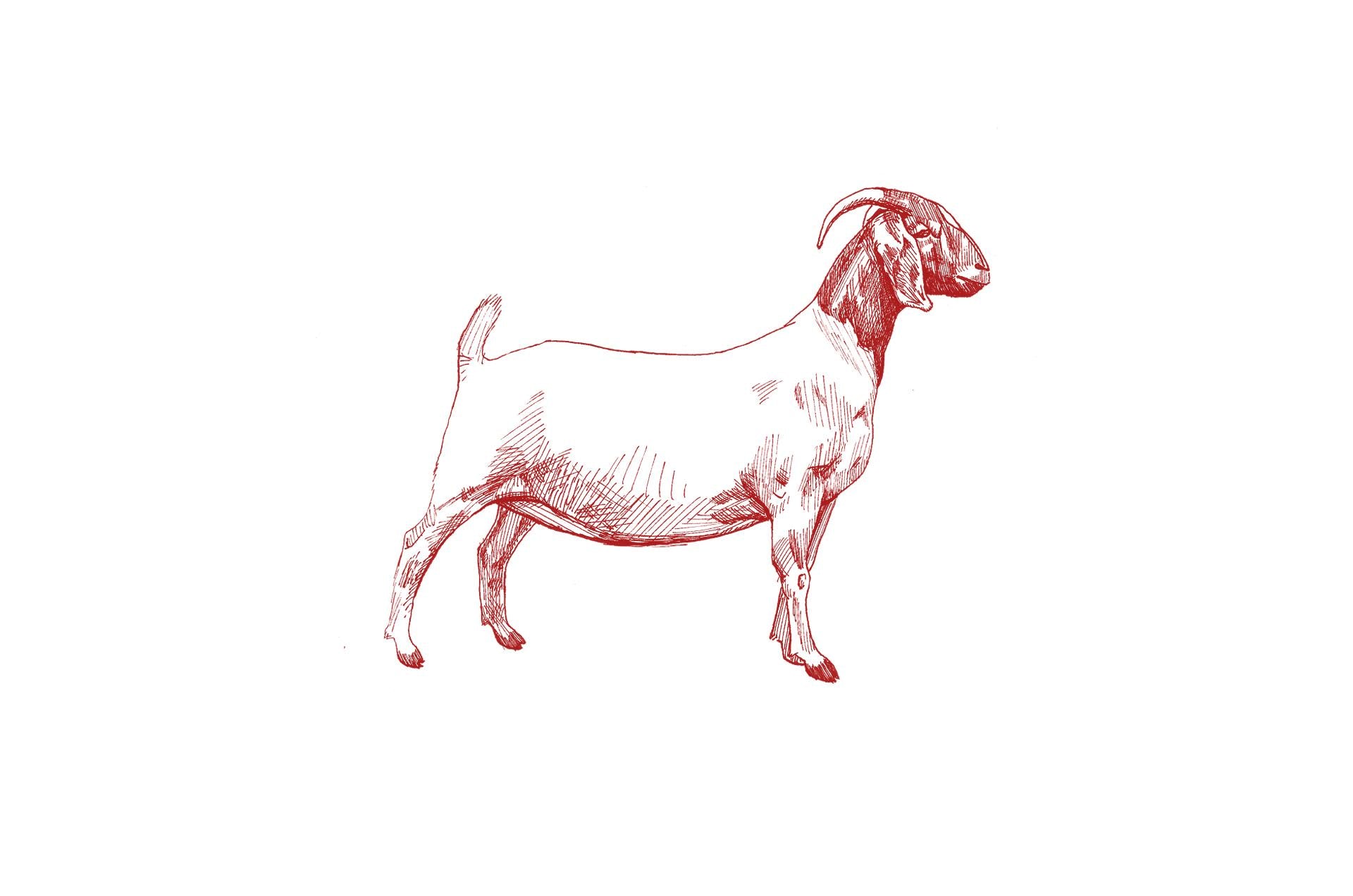
Boer goats are a South African breed originally developed for meat production. All of our goats are raised outdoors on green pastures.
Goat meat is very lean and tastes similar to moose and venison. It has a unique flavor but not an overpowering one. Some more fascinating facts about goat:
- Their feet are composed of two separate hooves that were originally the third and fourth toes of their mammal ancestor.
- The inside of the horn is living bone material with a blood supply.
- Goats browse rather then graze and they live communally. Goats are very smart and make an excellent addition to any small farm, especially in colder regions.
Dancing Creek Farm
Dancing Creek Farm owns 30 acres with creeks and trails located in Cascade, Virginia right outside of Danville and only a few miles from the North Carolina state line. The owner, Tamara Burton has had the dream of owning a farm since childhood and after working in the corporate world for 20 years was able to purchase Dancing Creek Farm in 2005.
Dancing Creek Farm is proud to sell grade A pasture raised USDA inspected Cabrito. Cabrito, young kid goats, are mild in flavor and more tender than older goats (Chevon). Goat meat has a milder taste then lamb and can be used in traditional lamb dishes.
Dragon Fly Cove Farm
Dragon Fly Cove Farm is owned and operated by Marge Kilkelly and Joe Murry and is part of a consortium of working farms dedicated to outdoor agriculture and ethical treatment of animals. Within a short time they converted a ten-acre hay field into a playground for 80 Boer goats and smaller, seasonal populations of hens, pigs and turkeys.
When Joe left his job as an electrician to become a full-time farmer, he put his carpentry skills to use and built barns with bunk beds and hay feeders with access through the windows so the goats need only to poke their heads in without having to climb on the bales of hay and soil the feed. Hay is also spread over the land during feeding to assure the animals get their exercise. The cross Boer goats love being outdoors and grow beautiful coats in the winter months.
Thyme for Goat
Thyme for Goat is a consortium of five family farms in Maine primarily raising breeds for meat production to offer delectable meat cuts for our customers. Their herds are raised in a natural environment exposing them to pasture feed, sunlight and shelter from inclement weather. They enjoy browsing, Maine hay crop, grain and garden grown veggie treats.
Goat meat is very lean and tastes similar to moose and venison. It has a unique flavor but not an overpowering one. Goat families reside in the widest ecological range of any domesticated species. Dragon Fly Cove Farm one of the consortium’s five partners is a small, diverse homestead farm located at the confluence of the Eastern and Kennebec rivers in mid-coast Maine. Marge Kilkelly and Joe Murray, who have worked with these lovely and gentle animals for over five years, raise the goats. Joe and Marge raise and sell Boer cross meat goats. When away from the farm, Marge works for the Council of State Governments on agricultural and rural policy in the Northeast.
back to top
RABBIT
The Blanc de Hotot rabbit is listed as threatened on American Livestock Breeds Conservancy. The Blanc de Hotot is known for its frosty white fur and black-rimmed eyes. The beautiful Blanc de Hotot rabbit is unique being that the breed was developed entirely by women in the Hoto-en-Auge region of France. Madame Eugenie Bernhard, chatelaine du Calvados aimed to develop a new breed of rabbit that could be prized for its meat and fur. In the year 1902 she began crossing breeds and found that the Geant Papillon Francais when crossed with other lightly marked rabbits began to produce the characteristics she was looking for. It took over 10 years and 500 matings to produce what we know today as the Blanc de Hotot. The French rabbit governing body officially recognized the Blanc de Hotot as a breed on October, 13th 1922. The Blanc de Hotot was first brought to America between 1921 and 1922 but never took off as a breed. The Blanc de Hotot nearly went extinct during World War II but picked up again in 1978 when Bob Whitman from Texas imported 8 Blanc de Hotots . The American Rabbit Breeders Association standards accepted the breed in 1979.
The American rabbit is listed on the American Livestock Breeds Conservancy as critically endangered. It is one of the oldest breeds developed in the United States and is a cross of many different breeds. The American rabbit was officially listed as a breed in March of 1918. As a result of the First World War the original name of German Blue Vienna was changed to the American Blue. Lewis H. Salisbury of Pasadena, California is credited as having the best genetics and kept the list of breeds used to create the end result a secret. By the 1920’s furriers were paying high prices for their deep colored pelts. The American rabbit is one of the rarest breeds in all of America.
The Rare Hare Barn
Eric and Callene Rapp are the owners of Rare Hare Barn in Leon, Kansas where they raise rare breed Heritage rabbits. Eric and Colleen are both extremely dedicated to the care and preservation of rare domestic species. Callene has a degree in agriculture and has been on the board of the American Livestock Breeds Conservancy since 2003. She also holds the title of senior zookeeper at the children’s farm at the Sedgwick County Zoo in Wichita, Kansas. Eric had also worked at the zoo up until February of this year when he left his job to care for the rabbits at their own farm full time. Eric’s passion for rabbits started on the farm that he grew up on. Eric and Callene began raising rabbits about four years ago for the main purpose of providing their family with high quality, healthy and great tasting protein.
Eric and Callene raise their rabbits in the most humane way possible making sure that the rabbit pens are large enough to allow the animals to move around and get exercise as well as stand up and stretch. The barn has plenty of windows that provide a nice view as well as ventilation and air circulation to assure that the rabbits are always cool and comfortable.
Eric and Callene truly enjoy how engaging the rabbits are. Each morning Eric brings the rabbits fresh greens from the garden, usually kale. According to Callene as soon as the rabbits see Eric coming with the greens they get all excited and start thumping around. Aside from the garden greens the rabbits have access to hay for roughage and are given a supplement of grain-oat pellets to enhance their diet. These rare breed rabbits are never fed any growth stimulants, antibiotics or animal by-products of any kind.
The Rapps have found that there is a large network of Heritage rabbit growers in Indiana where they have taken many road trips to select their breeding stock. They are lucky to have found breeders that have been raising these rare breed rabbits for over 20 years.
Eric and Callene are about an hour and a half from Krehbiel’s Specialty Meats where the rabbits are brought for slaughtering. For the trip the rabbits are loaded into pens specially designed for comfortable traveling and are driven in a horse trailer with their familiar pen-mates so that the rabbits never experience any stress along the way.
The rabbits are brought to market when they are about 12 weeks old. The Rapps are definitely able to notice a distinct difference in the color and taste of the meat of the two different breeds they are currently bringing to market. The meat of the Blanc de Hotot tends to be light pink in color and a bit paler than the meat of the American rabbit. Both breeds offer a delicate taste and have a fine grain making the meat very easy to digest.
back to top
SEAFOOD
We sell fresh Alaskan salmon in late summer and frozen Alaskan salmon year-round.
Our Albacore tuna is the most delicious and sustainable tuna in the world.
Albacore Tuna much like Berkshire pork, which is primarily sold in Japan as Kurobuta, has been traditionally exported to Spain. Rarely does the American consumer have the opportunity to savor this extraordinary fish.
Heritage Foods works with American Tuna, a group of six fishing families from San Diego, CA. Together they have over 125 years of combined knowledge about albacore "pole and line" fishing (zero by-catch). Their fishery is praised for being clean and sustainable. San Diego, once known as the "Tuna capital of the World," has very few albacore fishermen still upholding the 100-year-old pole and line tradition.
Only the finest center cuts of this fatty fish are filleted and hand-packed, cooked in their own juices, giving it a deep buttery flavor and creamy texture. American Tuna catches tuna that are only 2-5 years old, so the mercury level in them is minimal.
While Albacore tuna may not be endangered per se, the methods used by American Tuna certainly are. It is those methods and attention to detail that give their tuna such an incredible flavor.
Wild reefnet caught Salmon will become available during the summer months. Heritage Foods has the great fortune of working with the United States last reef-net fishermen on Lummi Island in Washington. Lummi is on the San Rosario Strait, part of the San Juan Islands and is located at the foot of a great reef that attracts thousands of salmon each year. A perfect tasting product results from this process for the fish die in the water and are not shocked which, like in meat, effects the taste.
Reefnet fishing is the oldest net fishing known to man. Our salmon is sourced in the ways of time past by the last Reefnet fishermen on the planet. Riley Starks leads a group that has fished since the early 1970s. The process follows that originally practiced by Native Americans of the Puget Sound area in war canoes. Today they still use cedar bark rope and marsh grass to simulate underwater reefs,
* Heritage Foods also supports a community of salmon fishermen in Alaska. Their cured and smoked products are available year-round.
American Tuna
Pole Caught Albacore Tuna that is so delicious that we eat it straight out of
the can!
The newest addition to the Heritage Foods USA family of farmers
and producers are the great folks at American Tuna. For many , like
us, canned tuna has ceased to be a part of our diet because of not
only the health concerns with mercury levels and such , but more
practically because it tastes horrible, dry at best, and normally
offensive, cat food maybe, but nothing we'd want to feed to our
families. Well that has all changed!
When we were contacted by the folks at American Tuna we were more
than a bit skeptical, but in our quest to save not only small family
farms and rare breeds of animals but also endangered food production
methods, we were obligated to taste it and are we ever glad we did!
This is quite literally the best canned tuna we have ever eaten.
While Albacore tuna may not be endangered per se, the methods used
by American Tuna certainly are. It is those methods and attention
to detail that give their tuna such an incredible flavor. It comes
directly off of their boats into Merino's Cannery in Westport, Washington
where it's immediately processed and canned. Only the finest hook
& line caught Gourmet #1 Sashimi grade Albacore fillets are
used for their canned tuna.
Omega-3 rich, lean protein-packed Albacore is great for your health!
High in protein and no carbohydrates, this canned albacore is all
natural. No bleaching, pre-cooking and no additives. It is hand
selected and filleted, reserving the premier center cuts.
It is then hand-packed and cooked in its own natural juices, giving
it a deep buttery flavor and creamy texture.
There has been a lot of talk about the unsafe mercury levels in
"tuna" recently, which has become a growing concern for
many tuna lovers. In order to understand the facts behind these
serious statements we must first understand that the "tuna"
with unsafe levels of mercury are by no means a lump sum. Just as
there are many types of turkeys, pigs & sheep, there are also
many different species within the genus of tuna.
The specific species that contain the unsafe amounts of mercury
are found in older Yellow Fin, Blue Fin and Albacore. All of the
aforementioned species can reach a long life span of over 40 years.
As these fish get older they tend to migrate to warmer pacific waters.
It is in these circumstances that they have seen higher mercury
levels. These fish are very old and have had many years to accumulate
mercury into their bodies. However our albacore is 'hook & line'
caught off the Pacific Northwest Coastline. When albacore are younger
they stay in the colder Pacific waters.
All the albacore that is used by American Tuna is caught and processed
from the colder Pacific waters and are specifically between the
ages of 2-5 years old. Using the 'hook & line' methods allows
them to monitor and inspect each catch. Mercury levels in such fish
are at minimal trace levels, some non-detectable. The albacore they
catch from the northwest has very high oil content.
Buy some today and share this moist and delicious tuna with your
friends and family with the full knowledge that it is very healthy
and that you are helping to defend small family fishermen, as well.
Lummi Island Wild Salmon
Lummi Island Wild Salmon sources wild "Reefnet" caught salmon from Lummi
Island in Washington State. Reefnet fishing is the oldest
net fishing known to man. Like the process originally practiced
by Native Americans of the Puget Sound area in war canoes
using cedar bark rope and marsh grass to simulate underwater
reefs, our salmon is sourced in the ways of time past by the
last Reefnet fishermen on the planet.
Riley Starks, Dave Hansen, Walt Ingram and Tom Monroe have
fished since the early 1970s and started their company in
2000. The four of them and two children source salmon from
their Reefnet boat, which has no name - it is tradition to
not name Reefnet boats. They sell salmon locally in Bellingham
and in Seattle and at the Willows Inn, which is the inn and
restaurant they own on Lummi Island.
According to the Department of Fish & Wildlife, Reefnet
is the original and best way to ensure selective fishing.
It also, by its very nature, results in very minimal handling
and stress for the fish and allows them to stay alive as they
are caught. Reefnet fishing is a gentle process and the fact
that the fish are bled whole and in seawater create the best
tasting salmon in the world.
Santa’s Smokehouse
Located in Fairbanks, Alaska, Santa's Smokehouse is a small family owned and operated business that takes pride in offering you only wild Alaskan salmon, nature at its best!
Santa's Smokehouse commercially catches, processes and smokes wild salmon. The wild salmon runs of Alaska are both healthy and abundant. Spawned in Alaska's pristine rivers and lakes, wild salmon migrate to the clean deep waters of the North Pacific where they feed and grow naturally. These Alaskan wild salmon are the guardians of thousands years of genetic diversity that allow the runs to survive in the Arctic. Alaska does not allow fish farming.
Yukon River King
Yukon River king salmon are the richest salmon in the world. The tender, highly marbled meat is full of healthy and delicious Omega-3 oils.
Salmon returning to the Yukon River must swim over 2,000 miles to their home waters. To sustain them on this journey, they have stored-up the highest Omega-3 oil content of any salmon in the world.
Their exceptionally rich flavor and moist, succulent meat is a delicacy. Yukon king salmon are regarded as the world's finest salmon by many seafood connoisseurs.
Iliamna Fish Company
The Iliamna Fish Company is a hardworking crew of native Alaskan fishermen who spend their summer months touring the fishery located deep within Bristol Bay, Alaska in search of fresh sockeye salmon.
Heritage Foods USA is proud to be working with the Iliamna Fish Company, a family of 25 immediate and extended relatives that has been fishing the pristine Pacific Northwest waters since 1948. Three of the fishing families live in Alaska full time while the rest spends winters all across the United States. Every June and July all the fishermen dutifully return to the healthy Bristol Bay waters where they spend many days on the boat waiting for the influx of salmon that helps sustain the community during the long off-season.
The sockeye salmon come from the deepest part of Bristol Bay, Alaska known as Nakneck. The rich flesh of these fish is a deep scarlet to persimmon red color and imparts a slightly sweet taste, a characteristic that can be attributed to the salmon’s journey from salt to fresh water.
Iliamna Fish Company has built the fishery on responsible marine practices and sustainable harvesting techniques. The fishery is certified by the Marine Stewardship Council thanks to a strong commitment from the fishermen to protect and promote the natural resources that preserve their livelihood.
The only way they fish is by setting nets, which are a lot like a sheet hanging on a clothesline floating in the wind. Part of the sheet floats on top while the remainder is anchored at the bottom and drifts with the current. The tide creates a basket that collects the fish, a spectacle often referred to as a “wall of salmon” that swims in the shallow water where the Iliamna fishermen waiting for the catch in their four-foot deep, twenty-foot long boats, carefully pull the net up and gently retrieve the sockeye. Each salmon is then bled by hand and submerged in a 33°F ice bath before it is brought to shore. Within six hours the fish are cleaned, inspected, packed and ready to be shipped to home chefs and restaurants all around the United States.
Each fresh sockeye salmon will be handpicked to deliver the finest fish with the frostiest ivory belly and no net markings or blemishes.
Though the season for fresh Alaskan salmon is short, we look forward to offering flash-frozen wild red salmon from Iliamna Fish Company all year round.
back to top
BISON
It is with great pleasure that we offer Thunder Heart Bison Ranch from the vast savannah grass lands of South Texas
Thunder Heart is one of the very few ranches in America whose buffalo are both grass-fed and field-harvested. By grazing on such native grasses as Sea Coast Bluestem, Old World Bluestem, Curly Mesquite, and Hooded Windmill, these bison produce a flavor that is mild and delicate. Noted chef and author Deborah Madison says Thunder Heart Bison “is the most deeply nutritious and satisfying meat I have ever tasted."
Field-harvesting at the ranch avoids the trauma of transport and the added stress of the abattoir helping both tenderness and taste, prompting the saying “raised wild and tastes mild.” The resulting meat has one of the highest known concentrations of omega-3 and the fat blocker CLA.
Shape Bison Ranch
Hugh Fitzsimmons owns and operates Shape Bison Ranch near San Antonio,
Texas. Bison meat is the native North American meat. Sixty million
bison once roamed the great planes of this land and sustained our
Native Americans. But by the dawn of the 20th century, the total
bison population had dwindled to less than 1,000. Thanks to conservation
efforts, bison are slowly recovering. Thunder Heart Bison Ranch
is dedicated to allowing bison to live in accordance with their
natural instincts: they eat only grass and are killed on the prairies
where they live, under low stress conditions. Ted Herrera, a partner
in Thunder Heart Bison and a member of the Cohahuiltecan Native
American tribe, oversees kills with a ceremony that follows the
traditions of his ancestors.
Bison meat is extremely lean and boasts
very high levels of Omega 3 fatty acids. When you eat this bison
you are helping to promote healthier methods of food production
by demanding that your meat is grass fed, free of foreign chemicals,
and raised and harvested with respect. Hugh's son Patrick is a student
at Sara Lawrence College in New York and works as an intern for
Heritage Foods USA.
Hugh also produces honey! Guajillo is a wild desert bush that is
native to Southwestern Texas and Northern Mexico, a member of the
"acacia" plant family. When the delicate pale yellow blooms
briefly emerge in early April, the bees at the Shape Ranch begin
an intense rush to feed and gorge themselves on this "Native
Nectar." The result is an exquisite monofloral "single
source" honey, that is light, delicate, and subtly complex.
Native Nectar Guajillo Honey, the very essence of the best our land
can offer.
back to top
ABATTOIR
Heritage Foods USA works hard to ensure the ethical and humane treatment of the foods we sell when they are raised, transported and processed. Just as we work with producers who use strict production protocols, we also work with processing facilities that we know and have visited. Abattoirs that share our values and commitment. We ensure that the animals do not suffer at any point in the process which would affect taste and which would violate the sacred pact we have with the food we consume. Paradise Locker Meats is considered certified Humane.
Paradise Locker Meats
Paradise Locker Meats, Inc. in Trimble, Missouri is family-owned and operated. The Fantasma Family (Mario, Teresa, Louis & Nick), have operated the business since 1995. Paradise Locker Meats is considered certified Humane.
They specialize in custiom meats and offer a variety of home made sausages created from family recipes that trace back to pre-World War II Europe.
All meat cutting and processing is done onsite in their USDA inspected plant. The Fantasma Family have gained a notable reputation for providing quality meat products. They have a wide range of regular customers along with celebrity clients throughout the U.S.
Paradise Locker Meats and the Fantasma Family look forward to serving you.
Krehbiel’s Specialty Meats
Krehbiels Natural Meats believes your family deserves the safest and highest quality meat products available. Krehbiels Natural Meats is committed to delivering the most wholesome and best tasting meat you can find, at an affordable price.
Give Krehbiels Source Verified - Identity Preserved products a try. No added hormones or antibiotics, all natural, just like God intended.
Krehbiels Specialty Meats, Inc. takes USDA product and processing safety seriously, meeting the highest quality standards and delivering only the finest in natural meat products to our customers. All of our products are carefully vacuum packaged at the peak of flavor, contain no artificial ingredients and are guaranteed to be delivered in perfect condition.
Remer Meats
Remer Meat Company is a specialty abattoir located in clinton,MO.
back to top
ARTISANAL CHARCUTERIE
The United States produces some of the best cured meats in the world.
Our world-class cured meats are long-aged to guarantee a flavor profile that best reflects the characteristics specific to free ranged Heritage pork. Many great American cure masters work closely with us and Newman Heritage Berkshire Pork Farm and Paradise Locker Meats to bring you some of the best bacon, salumi and hams in the world.
We believe a local source for charcuterie has the duel benefit of launching new American terroirs while relieving those in Europe that are overtaxed because of high demand.
Benton’s Country Hams
Benton’s Smoky Mountain Country Hams are slow cured using salt, brown sugar, and sodium nitrite and typically aged 9-10 months, though hams are available 1 year and older. This time-honored practice dates back to the era of our forefathers, when the preparation and preservation of meat was a way of life and sustenance. Although the hands of time and technology have sculpted many aspects of our modern world, at Benton’s Smoky Mountain Country Hams we have upheld the traditional dry-curing process and are striving to produce world class country hams and bacon.
Benton’s was started in 1947 by the late Albert H. Hicks, a dairy farmer who began curing and selling country hams out of a building in his backyard. Allan Benton, a former high school guidance counselor, took over the business in 1973 and relocated it to the present location on US Hwy 411 near Madisonville, TN.
Out of this modest, painted block building, Allan Benton and his employees have honed the dry-curing of hams and bacon into a culinary art and have catapulted the products from a simple breakfast mainstay into the world of gourmet cooking, where they have been praised for their characteristic flavor. Most recently, Benton’s prosciutto, a domestic version of the renowned prosciutto specialty hams of Parma, Italy, has grown rapidly in popularity and has been featured in a broad spectrum of high-end restaurants, as well as in a number of magazines and other food publications.
Benton’s Country Hams and Bacon are available either unsmoked or hickory-smoked. Hickory smoking is performed in a small, wood stove smokehouse behind the business, imparting a distinct smoked flavor that many customers prefer.
Cameron's of Kearny
Just as there are heritage varieties of food, there are also heritage practices of making food. Ian MacAndrew is still making haggis, the Scottish national dish, at his store Cameron's of Kearny in Brick, New Jersey. Haggis was traditionally made with sheep’s “pluck” (heart, liver and lungs) and boiled in the animal’s stomach for an hour.
The origin of haggis is likely from the days of the old Scottish cattle drovers, when their wives would send them with food rations for the long journeys. Or perhaps haggis was invented as a way of cooking quick-to-spoil offal near the site of a hunt to feed hunters as they brought their prey back home. Today, because of modern safety regulations, haggis is made with less offal and more meat.
The Scottish store Cameron's of Kearny open in the 1950s and Ian has been working with meat since he was 14 years old. His son helps him in the store, serving as the official taste tester of each batch of haggis. During the busy winter months, the family makes about 500 pounds every week.
Ian’s savory, secret recipe includes beef shoulder and liver, oatmeal, salt, white pepper, onions, cloves, and beef suet (a hard white fat found on the kidneys and loins of sheep and cattle) all cased in a wrapping.
The taste is rich and meaty, filled with bits of crunchy onion and the mild sting of clove. Ian comments that his customers are “always upset to find out haggis actually tastes great!” And most Scottish fish and chips shops to this day still sell a ‘haggis supper’ to honor the tradition.
To prepare haggis, just thaw and boil for 30-45 minutes, as it is already cooked. Serve haggis with creamy mashed turnips and potatoes. Ian’s Haggis is perfect paired with a glass of sparkling wine or, of course, a Scottish whisky!
Edwards of VA
In 1926 S. Wallace Edwards, young captain of the Jamestown-Scotland ferryboat, began serving ham sandwiches to his ferry passengers .... sandwiches made from ham the salt-cured and hickory, smoked on his Edwards family farm.
The demand for his ham grew so quickly that Captain Edwards soon began curing and selling hams on a full-time basis. Meanwhile, his young wife, Oneita, contributed from home by cooking hams and raising their two children, Oneita Mae and Wallace Jr. As word of the "Edwards Virginia Ham" spread, the young Edwards family began shipping their products throughout the country.
Today, Edwards smokehouses are still located in Surry County, Virginia close to the spot where the Indians first taught the English colonists the secret of bringing out the full flavor in meats. The Edwards family has been honored to demonstrate their art of curing hams at the Smithsonian Institution Folklife Festival, and received many State Fair of Virginia Blue Ribbon and Grand Champion awards for their hams and bacon.
Over the last 81 years, Edwards' emphasis has always been on quality, not quantity. S. Wallace Edwards and Sons (second and third generation) remains a thriving family business dedicated to producing the finest quality smoked meat products...and extending the vision and legacy of its founder, S. Wallace Edwards, Sr.
As of 2006, Edwards has begun to buy Heritage Foods hams for their cure. The results are beyond good! Try some today!
Esposito’s
In 1933 Giovanni Esposito and Sons was founded as a fresh meat and poultry butcher shop in the same Hell’s Kitchen, New York City location where it stands today.
As Giovanni’s sons grew older they too came to work in the family business. The brothers recognized the growing demand for their high quality products (especially their sausage), so they split the business into two separate entities: a retail butcher shop and a wholesale manufacturer and distributor of sausage. Armand Esposito ran the wholesale business known as Esposito’s Finest Quality Sausage Products.
In the 1970’s the wholesale business had grown to 10 employees and hundreds of local customers. During the 1980’s, with business booming, Armand refurbished the entire plant and all equipment. Flying directly to his father’s native Italy, he contracted with Velati and Risco to purchase the finest sausage-making equipment capable of handling the growth of his business.
Esposito’s continues to preserve the great tastes and traditions of Esposito’s, ensuring the legacy of Armand and the sanctity of the original recipes. In addition they have been adding new varieties as customers’ tastes and lifestyle evolve.
Heritage Foods USA is proud to supply Esposito’s with heritage pork that they use to provide customers with made to order sausages.
Salumeria Biellese
Salumeria Biellese features Old World style Italian products, with an emphasis on the highest quality. Salumeria Biellese has been making sausages and salamis since 1925. Generations have passed, but their philosophy remains the same.
They use the highest quality ingredients, without artificial colors or flavors, including product from Heritage Foods USA and its network of farmers. In the end, they feel that this makes the best product for consumers.
Run and operated by Mark Buzzio, Salumeria Biellese does not pasteurize any of its products thanks to a USDA exemption it received by proving that old world traditions can be safe for consumers. Salumeria is operated in a basement near New York's Times Square and in a new facility located in New Jersey. They sell their pork, game, veal and lamb sausages, cured meats like guanciale and specialty pates to hundreds of wholesale accounts around the USA.
Salumi
Located in the heart of Seattle's historic pioneer square district, Salumi Artisan Cured Meats brings to the Pacific Northwest a new concept based on some very old ideas. Drawing inspiration form the traditional Italian Slaumeria, Salumi is an artisan's factory equipped to produce the highest quality gourmet cured meats and other traditional foods. Their state of the art curing facility has been custom designed with space-age materials and processes to provide a level of artistic and process control unavailable to previous generations of Salumists. But Salumi is more than a place where wonderful foods are created and sold. It's also a place dedicated to the preservation and promotion of the handmade food traditions of Italy and the Mediterranean.
Salumi is the retirement dream for co-founder and Principal Salumist, Armandino Batali. His maternal grandfather, Angelo Merlino, opened the first Italian food import store in Seattle in 1903. A century later and only a block from that original site, Armandino works with generations of family cooking traditions. Armandino's 31 year career as a Process Control Engineer at Boeing plus a lifetime in the kitchen and 2 years in the formal study of meat curing and cooking make Armandino uniquely qualified to produce artisan products that also exceed stringent modern-day food processing requirements. With Marilyn Batali, wife and co-founder, Salumi has grown from a small neighborhood deli to a well-known stop on the Seattle culinary scene.
In 2002, Armandino and Marilyn's daughter, Gina Batali and son-in-law Brian D'Amato joined the business and together they decided to expand the cured meats product line, enabling Salumi to comply with governmental agencies while maintaining the artisan curing process from the past. Salumi not sells to both wholesale and retail customers and the focus is on restaurant chefs, delis and the individual salumi lover. Salumi's meats are available to walk-in customers and on the web.
back to top
NATIVE AMERICAN FOODS
Native American foods from Winona LaDuke’s Native Harvest and her White Earth Land Recovery Project bring us wild rice, flours, dried corn all from the Anishinaabeg Nation in Minnesota . Winona is working with the state legislature to patent wild rice as an untouchable genetic in our food supply. Similarly, Tohono O'odham Nation in Sells, Arizona continues to harvest tepary beans and cholla buds. With the recent passing of Native American leader John Mohawk, Heritage Foods is evermore dedicated to reviving the Iroquois White Corn project in upstate New York.
The Pawpaw is the largest edible fruit that is native to the United States.
Pawpaws are indigenous to 26 states in the US, in a range extending from northern Florida to southern Ontario and as far west as eastern Nebraska.
They have provided delicious and nutritious food for Native Americans, European explorers, settlers and wild animals. Our Heritage pawpaws come from the rolling hills of Carroll county Maryland at the Deep Run Pawpaw Orchard in Westminister where Jim Davis has been raising these fruits for almost 10 years! The Pawpaw harvest season is from late August to mid-October.
Guajillo Honey is made from the Wild Guajillo Bush, a wild desert bush that is native to Southwestern Texas and Northern Mexico, a member of the "acacia" plant family. When the delicate pale yellow blooms briefly emerge in early April, the bees begin an intense rush to feed and gorge themselves on this "Native Nectar." The result is a single source honey, that is light, delicate, and subtly complex.
Anishinaabeg Nation
Margaret Smith
Margaret Smith, an Anishinaabeg elder who is now 86, has been involved
in ricing for as long as she can remember. She helped start Native
Harvest, and helps makes sure that ricers can get a fair price for
their work. Every year she goes out to big Rice Lake and buys rice
from the tired ricers, as they bring their canoes to shore. Everyone
knows Margaret pays the highest prices for wild rice and that any
profits made from the rice she sells goes back to pay back the land
base on the reservation. After Margaret buys the rice, she takes
it to Ron Chilton who processes the rice.
Ron Chilton
Ron Chilton has riced since he was a little boy. He grew up in a
large
family with 13 children, where everyone was needed to help process
the rice
for the family. Some would parch, while others jigged and winnowed.
Ronnie
has grown children of his own who he is happy to involve in the
process
every year. His two oldest sons, Mike and Eric, help him year round
with the
gathering and processing of food for Native Harvest.
Pat Wichern
Pat Wichern has worked for Native Harvest for several years and
has perfected the wild rice parching process. She uses a wood fire
to parch the wild rice, which is very difficult, because the temperature
for rice must be exactly right, so as not to burn or undercook the
rice. Pat carefully
monitors the fire and parching process to ensure that each batch
is done just right.
Deep Run Pawpaw Orchard
Our Heritage pawpaws come from the rolling hills of Carroll county Maryland at the Deep Run Pawpaw Orchard in Westminister where Jim Davis has been raising these fruits for almost 10 years! There are seven named varieties of pawpaw he produces including the Shenandoah, Susquehanna, Pennsylvania Golden and the Allegheny, which is great in ice-cream. Each fruit will be marked so that you know what you are eating.
The pawpaw is the largest edible fruit that is native to the United States.
Pawpaws are indigenous to 26 states in the US, in a range extending from northern Florida to southern Ontario and as far west as eastern Nebraska.
They have provided delicious and nutritious food for Native Americans, European explorers, settlers and wild animals. They are still being enjoyed in modern America, chiefly in rural areas. There are more than 27 varieties currently available.
The unique flavor of the fruit resembles a blend of various tropical flavors, including banana, pineapple and mango. The common names, 'poor man's banana', 'American custard pie', and 'Kentucky banana' reflect these qualities.
Pawpaw's beautiful maroon colored flowers appear in the spring and turn into clusters of fruit that ripen during the fall. The Pawpaw harvest season is from late August to mid-October. Ripeness can be gauged by squeezing gently, as you would judge a peach. The flesh should be soft, and the fruit should have a strong but pleasant aroma. The skin color of ripe fruit on the tree ranges from green to yellow and dark flecks may appear as on bananas.
The fully ripe pawpaws last only a few days at room temperature, but may be kept for a week in the refrigerator. Eat fruit that was allowed to finish ripening at room temperature. Ripe pawpaw flesh, with skin and seeds removed, can be pureed, and the pulp or whole fruit may be frozen for later use. Never eat the skin or seeds.
Pawpaws are a very nutritious fruit. They are high in vitamin C, magnesium, iron, copper and manganese. They are a good source of potassium and several essential amino acids and they also contain significant amounts of riboflavin, niacin, calcium, phosphorous and zinc. Pawpaws contain these nutrients in amounts that are generally about the same as or greater than those found in bananas, apples and organs.
Most enthusiasts agree that the best way to enjoy pawpaws is to eat them raw after they are picked from trees and are perfectly ripe. Or simply cutting the fruit in half, and using a spoon, scoop out the flesh and discard the seeds. The flavor and custard-like texture make pawpaws a good substitute for bananas in almost any recipe. You extend their tropical flavor beyond the end of the harvest season.
Pinewood Community Farming
Starting in 1998, John Mohawk and Yvonne Dion-Buffalo worked with
the Restorative Development Initiative and First Nations Development
Institute in setting up a corn hulling and milling operation in
the small log cabin in the Cattaraugus woods. Iroquois White Corn
is an ancient heirloom corn grown by Iroquois Indians.
Hundreds of years ago, the Iroquois Six Nations' people of New
York State, Pennsylvania, Southern Ontario and Quebec extensively
planted and used the corn for both sustenance and spiritual ceremonies.
Members of the Six Nations gave the corn to George Washington and
his starving troops at the Battle of Valley Forge to survive a grueling,
foodless winter.
In the early 1990s, native Iroquois growers, academics and others
grew alarmed that this precious corn was headed for extinction.
As more people moved off the land, with less time to grow and prepare
the grain, and no markets beyond the reservation, fewer farmers
wanted to make the effort. Today, Iroquois growers cultivate less
than one hundred acres of the corn.
Iroquois White Corn is the most popular and widely used of the
many rare heirloom corns grown by members of the Iroquois Nation.
This heirloom corn, while containing an enormous array of genetic
variability, has an unusual earthy, vital flavor and a varied texture
that chefs praise.
To preserve the uniqueness of the corn, native farmers plant it
in special ways to reduce and eliminate cross-pollination with commercial
varieties. For example, they plant in protected areas or time the
planting so the corn does not pollinate at the same time as a neighbor's
commercial corn. The small number of remaining growers, taught by
their fathers, are proud of their culture and their traditional
agricultural practices. This wonderful food results from the slow
knowledge passed from generation to generation as they celebrate
the physical and spiritual sustenance given by the grain.
The flavorful, floury flint corn is roasted or hulled and milled
to order in a log cabin on the Reservation in Western New York by
members of Pinewoods Community Farming a native-owned and operated
nonprofit organization. The effort began as a partnership with Bioneers,
to restore biodiversity into the food supply and help keep indigenous
farmers on the land. Many top restaurants now feature this unique
and historic food.
Tohono O'odham Nation
Noland Johnson
Noland Johnson, a member of the Tohono O'odham Nation, comes from
a long line of traditional farmers. In 2001, Noland became the first
person in his family to become a farmer since his grandfather, Alexander
Pancho, ceased farming in the late 1960's. Noland began by reclaiming
four acres of his grandfather's farmland, starting the first traditional
ak chin (floodwater) farm in the Tohono O'odham community since
the late 1970's. Today, Noland is the Farm Manager for Tohono O'odham
Community Action (TOCA) where he and his crew are growing over 75
acres of traditional crops annually. Noland lives in the village
of Sells, AZ. He is the father of one-year-old Isabella.
Terrol Dew Johnson
Terrol Dew Johnson, a member of the Tohono O'odham Nation, is an
award winning basketweaver and cofounder of Tohono O'odham Community
Action (TOCA). He recently completed a major installation for the
Smithsonian Institution/National Museum of the American Indian's
15-month The Language of Native American Basketry
exhibit. TOCA is a grassroots community organization dedicated to
creating positive programs, which are based in the O'odham Himdag,
the Desert People's Way. TOCA now has four programs: 1) Tohono O'odham
Basketweavers Organization; 2) Elder/Youth Outreach Initiative;
3) Tohono O'odham Arts and Culture Program; and 4) Tohono O'odham
Community Food System
In 2002, Terrol and TOCA Co-Director Tristan Reader were recognized
as one of the nation's top leadership teams when they received the
Ford Foundation's Leadership for a Changing World Award.
Tristan Reader
Tristan Reader is Co-Founder and Co-Director of Tohono O'odham
Community Action (TOCA). Raised in Arizona he was educated at Swarthmore
College and Harvard University. He has worked as a community organizer
in a variety of settings ranging from inner-city Boston to rural
Iowa.
In 1995, he moved to the Tohono O'odham Reservation were he
met Terrol Dew
Johnson, TOCA's other Co-Founder and Co-Director. Recognizing
both the
extreme need and tremendous resources of the Tohono O'odham
community, they
joined with several community members to develop programs aimed
at creating
a healthy, sustainable and vital Tohono O'odham community.
In 2002, he was
a recipient of the Ford Foundation's Leadership for a Changing
World Award.
Community Information
The Tohono O'odham (formerly known as Papago) Nation sits in
the heart of the Sonoran Desert, sixty miles west of Tucson, Arizona.
Approximately 20,000 of the tribe's 28,000 members live on
this main section of the Tohono O'odham Reservation. The Nation
encompasses nearly 4,600 square miles (roughly the same area as
Connecticut).
back to top
ARTISANAL CHEESE AND SNACKS
Keep checking out our growing list of unique and wonderful snacks and other dried goods. They include:
Hazelnuts grow in the temperate and lush Willamette Valley of western Oregon. Freddy Guys' Filberts is a family-run hazelnut orchard owned and operated by Barb and Fritz Foulke. These award-winning nuts are hand packed immediately after harvest. They are cracked and roasted frequently so they remain fresh.
If you are going to substitute a meal do it with a healthy product! Natural Bakery Bars from Kansas are hand-crafted in a small production
kitchen on a third-generation family farm. They use all natural ingredients
including brown rice syrup (no corn syrup) and stone-ground flour from a
local mill, one of only four mills in the USA to produce flour in this way.
Stone grinding is a 'cooler' way to grind with less friction, so
micro-nutrients are preserved rendering a more nutritious flour. The bars
are made with Turkey Red Wheat. This hard red winter wheat originates from
the original seed that was brought to Kansas in the 1870s by Mennonite
farmers from the Crimean peninsula in Russia. Turkey red wheat is descended
from the first wheat brought to Kansas.
No additives or preservatives are added and absolutely nothing is taken out
of the grain.
Fruit Spreads come from the Kiva Orchard, the organic fruit and vegetable farm of High Dessert Foods located in Canyons of the Ancients National Monument in Southwest Colorado, a land that has supported human inhabitants for over 1,000 years. Organic farming methods, combined with the high desert region's microclimate of cool nights and hot summer days, its sandy clay loam soil, and irrigation with snowmelt from nearby mountains, produce fruits and vegetables that are supremely flavorful.
Preserves come from Clayton’s, and are made from sweet, pesticide free fruits. Varieties include: Strawberry Rhubarb, Peach,
Red Raspberry,
Concord Grape,
Cranberry Conserve and
Tomato Chutney.
Pickles come from Clayton’s, and are made from an assortment of Homemade, Cool Breeze, National Pickling, and Ruth's cucumbers. Varieties include:
Hot Dill,
Kosher Dill,
Regular Dill,
Sweet Spears,
Dill Green Beans and Dill Relish.
Clayton’s Heirloom Tomato Salsa varieties include
Mild Red Salsa,
Yellow Salsa and
Chipotle Lime.
Tomato varieties in the Mild Red Salsa include
Red Brandywine (the first true "heirloom " tomato as far as tomato heads are concerned);
Coustralee (France);
Delicious;
Hillbilly (West Virginia);
Hungarian Heart (Budapest);
Lucky Leprechaun (Ireland);
Mortgage Lifter(USA);
Roma (Italy);
Soldacki (Poland)
Stupice (Czechoslovakia);
Swiss Alpine (Switzerland);
Black From Tula (Ukraine);
Black Krim (Russsia);
Black Price(Siberia);
Big Rainbow;
Beefsteak;
Rutgers;
Cherokee Purple (Tennessee);
Dutchman;
Cosmonaut Volka (Russia);
Bloody Butcher;
Sausage;
Black Crimso;
Chocolate Stripes;
Marianna Peace;
Blue Fruit;
Cold Set;
Chalks Early Jewel;
Burbank Slicing;
Valencia;
Anna Russian (Russian);
Purple Calabash;
Goliath;
Prudens Purple;
And others...
Bronson Hill Cheesery
Bronson Hill Cheesery, a small cheese producer from the Finger Lakes Region of New York, is owned and operated by Nancy Richards. Nancy hand-makes delicious cheeses that highlight both batch-to-batch and style-to-style variation and also the quality of the raw milk she uses.
That raw milk, which comes from the neighboring Taber Hill Farms and its herd of Holstein cows, is antibiotic- and hormone-free. The subtleties of the milk’s flavors—its rich creaminess and its herbaceous and grassy notes—translate into unbelievably flavorful cheeses.
Making a variety of styles, Nancy knows how to highlight different aspects of the milk. Her Dutch-style young Gouda called Schuyler showcases the milks natural sweet and hay-like flavors, while her bolder washed-rind cheese, Red Meck, brings out the milk’s more robust flavors of roasted nuts and vegetables.
Clayton's
In 2003, Brenda Smith opened the doors to Clayton’s, a 5-acre home where she grows pesticide free heirloom vegetables including over 50 varieties of tomatoes whose seeds are native to over 20 countries (some of which are listed on Slow Food USA’s “Ark of Taste”). The business has since turned its attention to making fruit preserves, hot dill pickles, salsas and other jarred delights.
Brenda searches for and saves seeds from her best looking crops each year as well as from Tomato Fest, a source for over 600 varieties of heirloom tomato seeds, and Seed Savers Exchange, a non-profit organization, founded in 1975, that still supports heirloom seed movement. The long list of interesting tomato varieties she grows includes the Cherokee Purple, Lucky Leprechaun, Mortgage Lifter and the Hillbilly (see below for a complete list).
In order to prevent waste and to make delicious seasonal flavors available year-round, Brenda began to preserve what was not sold at the farmers market using recipes handed down from her grandmother, mother and aunts. The preserves are made in small batches and are processed using the water bath method.
Brenda’s “91 year-young” mother, two daughters and two grandchildren work together at Clayton’s. Ethan hand waters crops and picks weeds, while Emma who is just 3, Brenda says is “pretty darn good at stretching rubber-bands on jar lids”.
Brenda grew up on a farm in Dewitt, Michigan where she and her family planted, hunted and foraged much of what made it to the table. As Brenda remembers, “back then the only way to live was organically, using the manure from the farm, potash from the fireplace and compost from the kitchen scraps.”
Brenda still uses the same crock-pots that her mother used to make sauerkraut and dill pickles. Below she briefly describes her process of pickling and preserving:
Fruit Preserves
The preserves such as red raspberry, strawberry-rhubarb and peach preserves all begin with fresh clean fruit, measured for each batch, frozen to enhance flavor and sugar content. The thawed fruit is mixed with pectin, brought to a gentle boil, sugar is added, returned to a hard boil, ladled into sterilized jars and put in a boiling water bath for 10 minutes.
Pickles
For these, Brenda uses an assortment of Homemade, Cool Breeze, National Pickling, and Ruth's cucumbers. When making dills the fresh cucumbers are washed gently then drained. Each sterilized jar contains 1 head of dill, 1 clove of chopped garlic, 1/2 tablespoon of mustard seed, (and sometimes 1 small hot red chili). Fresh clean pickles are packed in and liquid is added (water, vinegar and salt) then brought to a boil. A hot lid/ring is placed on the jar and submerged in the boiling water canner and processed for 15 minutes.
Salsas
When canning the salsas all ingredients are put together in a pot and cooked until the desired thickness is reached. The salsa is then ladled into sterilized jars, put into a canner full of simmering water, brought back to a boil and processed for 30 minutes and then removed to cool and label.
Clayton’s Salsas includes an assortment of the following tomatoes:
- Red Brandywine (the first true "heirloom " tomato as far as tomato heads are concerned)
- Coustralee (France)
- Delicious
- Hillbilly (West Virginia)
- Hungarian Heart (Budapest)
- Lucky Leprechaun (Ireland)
- Mortgage Lifter (USA)
- Roma (Italy)
- Soldacki (Poland)
- Stupice (Czechoslovakia)
- Swiss Alpine (Switzerland)
- Black From Tula (Ukraine)
- Black Krim (Russsia)
- Black Price(Siberia)
- Big Rainbow
- Beefsteak
- Rutgers
- Cherokee Purple (Tennessee)
- Dutchman
- Cosmonaut Volka (Russia)
- Bloody Butcher
- Sausage
- Black Crimson
- Chocolate Stripes
- Marianna Peace
- Blue Fruit
- Cold Set
- Chalks Early Jewel
- Burbank Slicing
- Valencia
- Anna Russian (Russian)
- Purple Calabash
- Goliath
- Prudens Purple
Freddy Guys' Hazelnuts
Located in the temperate and lush Willamette Valley of western Oregon,
Freddy Guys Filberts is a family-run hazelnut orchard. Owned and
operated by Barb and Fritz Foulke, they are assisted by their children
and extended family at various times during the year, especially
in early October, when the crop is harvested.
High Dessert Foods
From the land of the "Ancient Ones." High Dessert Foods'
organic fruit and vegetable farm, Kiva Orchard, is located in Canyons
of the Ancients National Monument in Southwest Colorado, a land
that has supported human inhabitants for over 1,000 years. The farm's
name comes from kivas -- half-submerged houses used in religious
ceremonies -- left behind by the Anasazi Indians who once inhabited
the region.
High Desert Foods all organic jarred fruits, sauces and other products
start with the fresh Organic produce grown in Southwestern Colorado's
high desert. Organic farming methods, combined with the high desert
region's microclimate of cool nights and hot summer days, its sandy
clay loam soil, and irrigation with snowmelt from nearby mountains,
produce fruits and vegetables that many have said are supremely
flavorful.
The recipes that turn High Dessert Foods' organic fruits into gourmet
foods were developed in collaboration with celebrated American chef
and author Deborah Madison. High Desert Foods' products are made
in small, hand crafted batches at their kitchens in Dolores, CO.
Nettle Meadow Farm
Located at the base of Crane Mountain in the Southern Adriondacks, Nettle Meadow Goat Farm has been in operation since 1990. In the 19 years of its life, Nettle Meadow has taken a small artisanal dairy program and grown it into one of the finest we have encountered. Run by Lorraine Lambiase and Sheila Flanagan, Nettle Meadow occupies 50 acres, on which you can find approximately 200 goat. Because of climate and seasonality of their feed, the goats produce milk that varies in flavor and butterfat content throughout the year. This versatile and flavorful milk is the starting place of Lorraine and Sheila's delicious cheeses.
Sprout Creek Farm
Just north of New York City, in the scenic Hudson Valley, at the end of the Metro North line is the city of Poughkeepsie. One of the area's hidden gems can be found just outside of city limits, where the lush, rural landscapes start and the urban density begins to disappear. That gem--Sprout Creek Farm--has been in its current location since 1990, where it functions as a dynamic farm, a working dairy, and an active educational institution. Since 2000, Sprout Creek has been making small-production, raw and pasteurized farmstead cheeses. Starting with just a few, limited offerings, Sprout Creek's catalog of cheeses has grown and matured immensely in recent years, due to the arrival of Colin McGrath, the farm's current cheese producer.
Thanks to Colin and his team's creativity, experience, and dedication, Sprout Creek now produces about a dozen cheeses. Each cheese speaks to the quality and diversity of the farm's terroir and its milk, the flavors of which change from batch to batch. These are truly exceptional in taste and quality, and Heritage Foods USA is excited to team up with Sprout Creek to offer the entire Sprout Creek line to our customers, in four distinct packages.
back to top |